


A PPSU bottle is a reusable bottle made from Polyphenylsulfone (PPSU), a high-performance engineering thermoplastic known for its excellent heat resistance, impact strength, and hydrolytic stability. PPSU is widely used in applications that require repeated exposure to hot water, steam sterilization, and demanding service conditions, including baby bottles, medical components, and food-contact products.
For manufacturers, understanding the material behind a PPSU bottle is essential when selecting the right plastic resin for product development. Compared with conventional plastics such as polypropylene (PP), PPSU offers a combination of thermal performance, mechanical durability, and resistance to repeated sterilization that makes it suitable for demanding applications.
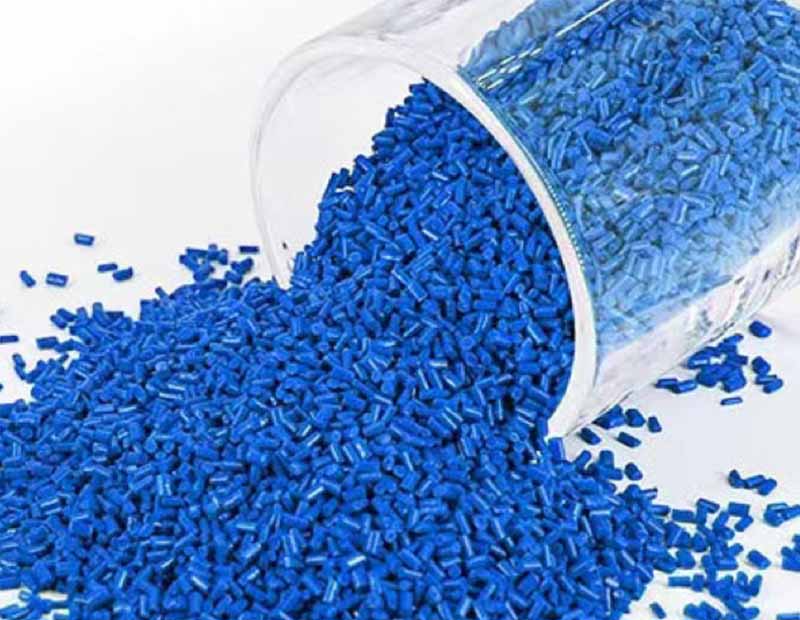
What Is PPSU Material?
PPSU stands for polyphenylsulfone, an amorphous high-performance thermoplastic belonging to the sulfone polymer family. It is valued for its ability to maintain mechanical performance under elevated temperatures and in environments involving repeated hot-water or steam exposure.
PPSU resin is used to manufacture components that require long-term durability, dimensional stability, and resistance to demanding operating conditions. Its applications include reusable bottles, medical devices, food-contact components, plumbing parts, and selected industrial products.
As a PPSU material manufacturer, providing consistent resin quality is important for downstream manufacturers. Material selection can influence molding performance, finished-product strength, appearance, and long-term reliability.
Why Is PPSU Used for Baby Bottles?
PPSU is commonly selected for reusable baby bottles because of its combination of heat resistance, toughness, and durability. However, the performance of a finished bottle depends not only on the resin itself but also on product design, processing conditions, and compliance with applicable food-contact regulations.
Excellent Heat Resistance
PPSU has a high glass transition temperature, typically around 220°C, and can retain useful mechanical properties at elevated temperatures. This makes it suitable for products designed for repeated hot-water exposure and steam sterilization.
Actual service temperature and sterilization suitability depend on the specific resin grade, processing conditions, product design, and applicable testing requirements. Manufacturers should verify these factors before selecting PPSU for a particular application.
High Impact Strength
PPSU offers excellent toughness compared with many conventional plastics. This helps molded products withstand everyday handling and accidental impacts.
For manufacturers developing reusable bottles and other durable consumer products, impact resistance can be an important factor in material selection. Proper part design and molding conditions remain essential to achieving the desired finished-product performance.
Resistance to Hydrolysis
Hydrolytic stability is another important characteristic of PPSU. The material is suitable for applications involving repeated exposure to hot water and, for appropriately qualified grades and designs, steam sterilization.
This property makes PPSU attractive for certain medical, food-contact, and reusable consumer applications where resistance to heat and moisture is required.
Good Chemical Resistance
PPSU demonstrates resistance to a range of chemicals, including many commonly encountered cleaning agents. Nevertheless, chemical compatibility varies depending on the chemical, concentration, exposure temperature, and duration of contact.
Manufacturers should evaluate the intended cleaning, disinfection, or sterilization process to confirm that the selected PPSU grade is suitable for the application.
Transparent Amber Appearance
PPSU typically has a natural amber or brownish transparent appearance. This is a recognizable characteristic of the material and can help distinguish PPSU products from bottles made from other plastics.
For product manufacturers, the natural color, transparency requirements, and any proposed color modification should be considered during material selection and product development.
PPSU vs. PP: Which Plastic Is Better?
PPSU and polypropylene (PP) are both used in consumer products, but they serve different performance requirements. PPSU is generally chosen for demanding applications that require higher heat resistance and durability, while PP is widely used where low weight, affordability, and adequate everyday performance are the main priorities.
| Property | PPSU | PP |
|---|---|---|
| Material name | Polyphenylsulfone | Polypropylene |
| Heat resistance | High | Depends on grade; generally lower than PPSU |
| Impact performance | Excellent toughness | Varies by grade |
| Hydrolytic stability | Excellent for suitable applications | Good in many common applications |
| Typical appearance | Transparent amber | Often translucent or opaque |
| Material cost | Generally higher | Generally lower |
| Common applications | Reusable bottles, medical components, demanding food-contact applications | Containers, packaging, household products, general-purpose molded parts |
There is no single material that is best for every product. The right choice depends on operating temperature, expected service life, mechanical requirements, manufacturing process, regulatory requirements, and total product cost.
For manufacturers whose products require repeated high-temperature exposure and strong impact performance, PPSU may offer advantages that justify its higher material cost.
Key Applications of PPSU Resin
Although PPSU is well known for its use in baby bottles, its applications extend far beyond infant feeding products.
Baby Bottles and Reusable Food-Contact Products
PPSU is used in selected reusable bottles and other food-contact products where heat resistance, toughness, and durability are important. Manufacturers should select grades with the appropriate regulatory documentation and verify compliance for the intended market and conditions of use.
Medical and Healthcare Components
PPSU can be used in selected medical devices and reusable healthcare components that require heat resistance, toughness, and resistance to repeated cleaning or sterilization. The specific resin grade must be qualified for the intended medical application and sterilization method.
Plumbing and Water-Handling Components
PPSU is used in certain plumbing fittings and water-handling components because of its combination of mechanical strength, thermal performance, and resistance to hot water. Product suitability depends on system design, operating conditions, and applicable standards.
Engineering and Industrial Components
Beyond consumer and healthcare products, PPSU can be considered for specialized engineering components that require a combination of toughness, dimensional stability, and thermal performance.
The appropriate grade should be selected according to the component's operating environment, molding requirements, and performance specifications.
What Should Manufacturers Consider When Buying PPSU Material?
Choosing a reliable PPSU Material Supplier involves more than comparing the price per kilogram. The selected resin must meet the technical, processing, and regulatory requirements of the intended application.
Resin Grade and Application Requirements
Different PPSU grades may be designed for different processing conditions or performance requirements. Before purchasing, manufacturers should define the intended application, molding process, operating temperature, mechanical requirements, and relevant regulatory needs.
A suitable grade should provide a balance of performance, processability, and cost.
Consistent Material Quality
Stable material properties help manufacturers maintain consistent production and reduce the risk of variation between batches. Important considerations may include melt flow behavior, mechanical properties, thermal performance, color consistency, and lot-to-lot traceability.
Material specifications and test reports can help buyers evaluate whether a resin meets their production requirements.
Processing Compatibility
PPSU is commonly processed by injection molding. Because it is a high-performance thermoplastic, appropriate drying, melt temperature, mold temperature, and processing controls are important for achieving consistent molded-part quality.
Manufacturers should follow the processing guidelines for the selected grade rather than relying on generic settings. Incorrect processing can contribute to defects, appearance problems, or reduced finished-part performance.
Regulatory Documentation
For applications involving food contact, infant products, or medical devices, regulatory suitability must be verified for the specific resin grade and intended use. Buyers should request relevant declarations, technical data sheets, safety documentation, and supporting compliance information as appropriate.
A material's general reputation for safety does not automatically mean that every grade is approved for every application or market.
Technical Support and Supply Reliability
A dependable PPSU material supplier should provide clear technical specifications, processing guidance, quality documentation, and consistent supply. For manufacturers developing new products, responsive technical support can help simplify material evaluation and reduce production risks.
Is PPSU a Safe Material for Baby Bottles?
PPSU is widely used in baby bottles because of its heat resistance, toughness, and suitability for products designed for repeated cleaning and sterilization. However, the safety of a finished bottle depends on the specific resin grade, product design, manufacturing quality, and compliance with the regulations applicable to its intended use.
Manufacturers should verify food-contact suitability and relevant regulatory documentation for the target market. Consumers should also follow the bottle manufacturer's instructions for cleaning, sterilization, inspection, and replacement.
For PPSU resin buyers, selecting a grade with appropriate supporting documentation is an important part of developing a compliant finished product.
Why Choose a Professional PPSU Material Manufacturer?
Working directly with a professional PPSU material manufacturer can help product developers obtain material information and technical support throughout the selection process.
When evaluating a PPSU supplier, buyers should consider:
Reliable quality control: Consistent material properties and documented quality procedures.
Technical documentation: Access to technical data sheets, processing recommendations, and relevant compliance documents.
Application guidance: Assistance in identifying a suitable grade for the intended product and operating conditions.
Stable supply: Production capacity and supply arrangements that support ongoing manufacturing needs.
Customized support: Technical consultation for specific performance, processing, or product-development requirements where available.
For companies developing PPSU bottles, medical components, or other high-performance molded products, the right resin supplier can be an important partner in achieving reliable manufacturing results.
Frequently Asked Questions
What does PPSU stand for?
PPSU stands for polyphenylsulfone, a high-performance amorphous thermoplastic known for heat resistance, toughness, and hydrolytic stability.
Is PPSU a type of plastic?
Yes. PPSU is an engineering thermoplastic used in applications that require higher performance than many general-purpose plastics can provide.
Why is PPSU used in baby bottles?
PPSU is used because it combines heat resistance, impact strength, and resistance to repeated hot-water exposure. The specific resin grade and finished product must still meet the requirements for the intended application.
What is the difference between PPSU and PP?
PPSU generally offers higher heat resistance and excellent toughness, while PP is a lower-cost, versatile plastic used in many everyday products. The best choice depends on the product's performance requirements and budget.
Can PPSU be used for medical applications?
Yes. Certain PPSU grades are used in selected medical and healthcare components. The suitability of a grade depends on the specific application, sterilization method, and required regulatory qualification.
What should I look for in a PPSU resin supplier?
Consider resin consistency, technical specifications, processing guidance, supply reliability, traceability, and documentation relevant to the intended application.
A PPSU bottle is one example of how polyphenylsulfone supports products that require heat resistance, impact strength, and long-term durability. Beyond baby bottles, PPSU resin is used in selected medical, food-contact, plumbing, and engineering applications.
For manufacturers, choosing the right PPSU material requires careful evaluation of resin grade, processing requirements, operating conditions, and regulatory suitability. Working with an experienced PPSU material manufacturer can help support material selection and consistent production.
If you are sourcing PPSU resin for bottle manufacturing or other high-performance applications, contact our team to discuss your technical requirements, request material specifications, and identify a suitable grade for your project.