


PEEK plastic material is a high-performance engineering thermoplastic known for its excellent mechanical strength, heat resistance, chemical resistance, and dimensional stability. It is widely used in industries that require durable, lightweight, and reliable components, including aerospace, automotive, medical equipment, electronics, and industrial machinery.
PEEK, short for polyetheretherketone, offers a combination of properties that makes it suitable for demanding applications where conventional engineering plastics may not provide sufficient performance. Understanding PEEK plastic material properties, available grades, and machining requirements helps manufacturers select the right material for their components.
Whether you are sourcing raw plastic stock, designing precision parts, or looking for machining PEEK plastic material solutions, this guide explains the essential characteristics and applications of PEEK.
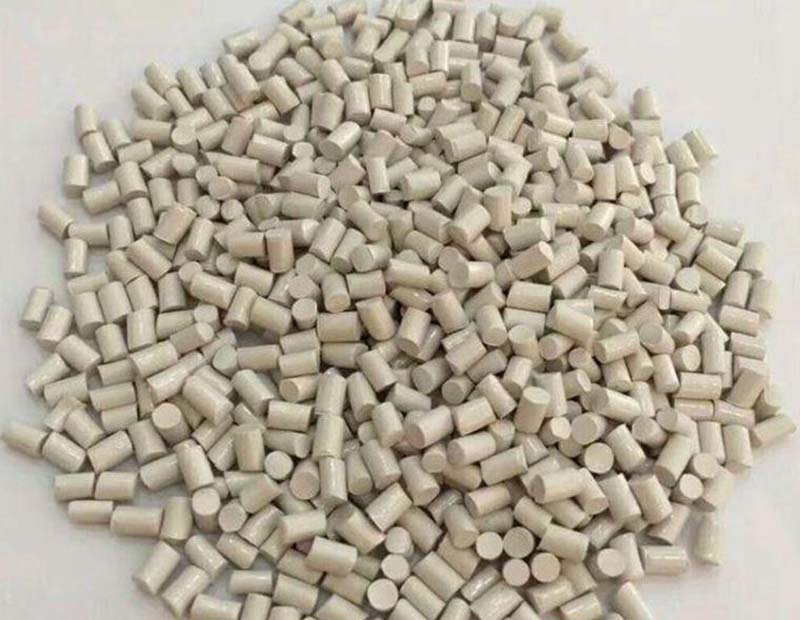
What Is PEEK Plastic Material?
PEEK plastic material is a semi-crystalline thermoplastic belonging to the polyaryletherketone (PAEK) family. Its chemical name is polyetheretherketone, and it is valued for maintaining useful mechanical properties under elevated temperatures and demanding operating conditions.
Compared with many general-purpose plastics, PEEK offers high strength, stiffness, wear resistance, and resistance to a broad range of chemicals. It can also provide good dimensional stability and electrical insulation, depending on the grade and application.
PEEK is available in different forms, including rods, sheets, plates, and custom-molded components. These forms can be used to manufacture precision parts through CNC machining, injection molding, and other suitable processing methods.
The choice of PEEK grade depends on the required mechanical properties, operating temperature, friction conditions, chemical exposure, and applicable industry standards.
PEEK Plastic Material Properties
Understanding PEEK plastic material properties is essential when evaluating whether this material is suitable for a particular engineering application.
Excellent Heat Resistance
One of the main advantages of PEEK is its ability to maintain useful mechanical performance at elevated temperatures. Its melting temperature is approximately 343°C, while its glass transition temperature is approximately 143°C.
These values describe different thermal characteristics and should not be confused with the maximum continuous operating temperature. Actual service limits depend on the PEEK grade, load, exposure time, environment, and component design.
PEEK is commonly considered for components exposed to heat, friction, or demanding thermal cycles.
High Mechanical Strength and Stiffness
PEEK offers good tensile strength, stiffness, and fatigue performance compared with many conventional thermoplastics. These characteristics make it suitable for structural components, precision machine parts, and load-bearing applications where reducing weight is important.
Glass-fiber-reinforced and carbon-fiber-reinforced PEEK grades can provide higher stiffness and improved dimensional performance for selected applications. However, reinforcement changes other properties, including anisotropy, friction behavior, and machinability.
Chemical Resistance
PEEK demonstrates resistance to many oils, fuels, solvents, and industrial chemicals. This property makes it useful in chemical processing equipment, fluid handling systems, and components exposed to aggressive operating environments.
Chemical resistance is not universal. Strong oxidizing agents, certain concentrated acids, and specific combinations of temperature and exposure time may affect performance. Compatibility should be verified for the actual service conditions.
Wear Resistance and Low Friction
PEEK can provide good wear resistance and friction performance in moving components such as bearings, bushings, seals, and sliding parts.
For applications requiring improved tribological performance, manufacturers may use specialized bearing-grade or internally lubricated PEEK formulations. Material selection should consider the counterface material, load, sliding speed, lubrication, and operating temperature.
Dimensional Stability
PEEK generally offers good dimensional stability and relatively low moisture absorption compared with many other engineering plastics. These characteristics can be beneficial for precision components that must maintain their dimensions under changing environmental conditions.
Nevertheless, machining stresses, thermal expansion, part geometry, and the material's crystalline structure can influence final dimensions. Proper manufacturing and inspection are important for tight-tolerance parts.
Electrical Insulation
Unfilled PEEK is commonly used as an electrical insulating material in connectors, housings, and electronic components. Its electrical properties and thermal performance make it useful in selected demanding environments.
For applications involving high voltage, elevated temperature, or strict electrical safety requirements, the specific material grade and relevant test data should be reviewed.
Common TyPES of PEEK Plastic
Different PEEK formulations are available to meet varying mechanical, thermal, and tribological requirements.
Unfilled PEEK
Unfilled PEEK provides a balanced combination of mechanical strength, chemical resistance, heat resistance, and electrical insulation. It is suitable for general engineering components, precision parts, and applications requiring a combination of properties without additional reinforcement.
Glass-Fiber-Reinforced PEEK
Glass-fiber-reinforced PEEK offers increased stiffness and improved dimensional stability in many applications. It is often considered for structural components exposed to sustained loads or elevated temperatures.
The glass fibers can affect surface finish and wear behavior, so the grade should be selected according to the intended function.
Carbon-Fiber-Reinforced PEEK
Carbon-fiber-reinforced PEEK provides high stiffness and strength relative to its weight. It can be useful for demanding mechanical components, aerospace applications, and industrial equipment.
Carbon-fiber reinforcement may also influence thermal conductivity, electrical behavior, and friction characteristics. These factors should be evaluated before specifying the material.
Wear-Resistant PEEK Grades
Specialized wear-resistant PEEK grades may incorporate lubricating additives or other modifications to improve performance in sliding or rotating applications.
These grades are commonly evaluated for bearings, bushings, wear pads, and other components exposed to repeated movement. Their suitability depends on the contact conditions and the manufacturer's performance data.
Applications of peek polyetheretherketone
PEEK polyetheretherketone is used in a wide range of industries because of its combination of thermal, mechanical, and chemical properties.
Aerospace Industry
PEEK can be used for selected aircraft interior components, clips, brackets, electrical connectors, and other lightweight engineering parts. Depending on the application, flame, smoke, toxicity, and aerospace qualification requirements must be verified.
Automotive Industry
In automotive systems, PEEK may be used for seals, bushings, valve components, connectors, and selected parts exposed to heat, oils, or mechanical stress. Its low weight can also help reduce component mass.
Medical Equipment
Specific PEEK grades are used in selected medical devices and healthcare applications. However, medical use requires appropriate grade selection, biocompatibility evaluation, and compliance with relevant regulatory requirements. Standard industrial PEEK should not automatically be considered suitable for implantation or other medical uses.
Oil and Gas Industry
PEEK is considered for seals, backup rings, valve components, and other parts exposed to demanding pressures, temperatures, and fluids. The selected grade must be validated for the actual chemical environment and mechanical loads.
Electronics and Electrical Equipment
PEEK can be used in insulating components, connectors, precision housings, and parts exposed to elevated temperatures. Grade selection should account for dielectric requirements, dimensional tolerances, and environmental conditions.
Industrial Machinery
Bearings, bushings, gears, wear strips, and precision mechanical components are common applications for suitable PEEK grades. The material can offer a useful alternative to metal where weight reduction, corrosion resistance, or electrical insulation is important.
Machining PEEK Plastic Material
Machining PEEK plastic material is a common manufacturing method for producing precision components with complex geometries, close tolerances, and low production volumes. CNC milling, CNC turning, drilling, and other conventional machining processes can be used depending on the part design and material form.
Although PEEK is machinable, its thermal behavior, stiffness, and internal stresses require careful process control.
CNC Milling and Turning
CNC milling is suitable for producing pockets, slots, contours, mounting features, and complex three-dimensional geometries. CNC turning is commonly used for cylindrical components such as bushings, rings, spacers, and sealing parts.
Sharp cutting tools, appropriate feed rates, and controlled cutting conditions help reduce heat buildup and improve surface quality.
Temperature Control
Excessive heat during machining can cause dimensional changes, surface defects, or localized material damage. Proper tool selection, cutting parameters, chip removal, and cooling methods help maintain machining stability.
The appropriate machining strategy depends on the PEEK grade, component dimensions, tool geometry, and required surface finish.
Stress Relief and Dimensional Accuracy
Internal stresses can affect the dimensional stability of machined PEEK components, particularly when removing large amounts of material or manufacturing parts with thin walls.
Depending on the grade and component design, suitable stress-relief procedures, staged machining, and controlled inspection may help reduce dimensional variation.
Tool Selection and Surface Finish
Tool geometry and cutting-edge condition influence surface finish, burr formation, and dimensional accuracy. Reinforced PEEK grades may be more abrasive to cutting tools than unfilled PEEK.
For precision parts, manufacturers should define critical dimensions, tolerances, surface-finish requirements, and inspection methods before production.
PEEK Plastic Material vs. Other Engineering Plastics
PEEK is often compared with materials such as POM, nylon, and PPS when selecting a plastic for industrial components.
| Property | PEEK | POM | Nylon (PA) | PPS |
|---|---|---|---|---|
| Heat resistance | Excellent | Moderate | Grade-dependent | High |
| Mechanical performance at elevated temperatures | Excellent for a thermoplastic | More limited | Grade-dependent | Good |
| Chemical resistance | Excellent against many chemicals | Good in selected environments | Varies; moisture affects properties | Excellent against many chemicals |
| Wear performance | Good; specialized grades available | Good | Good in suitable applications | Grade-dependent |
| Moisture absorption | Low | Low to moderate | Higher than PEEK | Low |
| Relative material cost | High | Generally lower | Generally lower | Usually lower than PEEK |
The table provides a general comparison rather than a universal ranking. Specific grades, reinforcement, operating conditions, and part geometry can significantly affect actual performance.
PEEK is often selected when high-temperature performance and demanding mechanical or chemical requirements justify its higher material cost. For less demanding applications, POM, nylon, or PPS may provide a more economical solution.
How to Choose the Right PEEK Plastic Material
Choosing the right PEEK plastic material requires evaluating the operating environment and the function of the finished component.
Operating temperature: Determine continuous operating temperature, short-term peaks, and exposure duration.
Mechanical loading: Consider tensile stress, compressive loads, fatigue, impact, and creep under sustained loading.
Chemical exposure: Identify the fluids, cleaning agents, fuels, and chemicals that may contact the component.
Wear requirements: For moving parts, evaluate friction, contact pressure, sliding speed, lubrication, and the mating material.
Dimensional tolerances: Define critical dimensions, surface finish, and stability requirements before choosing the grade and manufacturing method.
Regulatory requirements: Confirm any applicable requirements for aerospace, medical, food-contact, or electrical applications.
Total manufacturing cost: Consider raw material price, machining time, tool wear, scrap risk, service life, and maintenance requirements rather than comparing material cost alone.
Working with an experienced material supplier or precision machining manufacturer can help identify the most appropriate grade for the application.
Frequently Asked Questions
What is PEEK plastic material made of?
PEEK is a High-performance thermoplastic polymer made from repeating chemical units containing aromatic rings, ether linkages, and ketone groups. Its chemical name is polyetheretherketone.
What are the main PEEK plastic material properties?
The main properties include high-temperature capability, mechanical strength, chemical resistance, wear resistance, dimensional stability, and electrical insulation. The exact performance depends on the grade and operating conditions.
Is PEEK suitable for CNC machining?
Yes. PEEK can be machined using CNC milling, turning, drilling, and other suitable processes. Proper cutting parameters, temperature control, and dimensional inspection are important for achieving consistent results.
What is the difference between PEEK and PEK?
PEEK and PEK are different members of the polyaryletherketone polymer family. Their molecular structures differ, which influences their thermal and mechanical characteristics. The appropriate material depends on the specific performance requirements.
Why is PEEK more expensive than many other plastics?
PEEK requires specialized polymer manufacturing and offers a combination of properties suited to demanding environments. Its raw material cost is generally higher than that of common engineering plastics, although total lifecycle cost may be favorable in applications where durability and performance are critical.
Is PEEK better than metal?
Not in every application. PEEK can offer lower weight, corrosion resistance, electrical insulation, and reduced friction in suitable designs. Metals may provide higher stiffness, strength, and thermal conductivity in other applications. The right choice depends on load, temperature, environment, and component function.
PEEK plastic material is a versatile high-performance thermoplastic used in applications that demand reliable mechanical performance, heat resistance, chemical stability, and wear resistance. Its properties make it suitable for aerospace, automotive, medical equipment, electronics, oil and gas, and industrial machinery.
Understanding PEEK plastic material properties helps engineers select the right grade for their projects, while careful machining PEEK plastic material processes support the production of accurate and reliable components.
Whether you need unfilled PEEK, reinforced grades, or custom-machined PEEK components, evaluating operating conditions and manufacturing requirements is essential for achieving the best balance of performance, quality, and cost.
Contact a qualified PEEK Material supplier or CNC machining manufacturer to discuss your drawings, material specifications, and precision component requirements.