


PPS and PPSU are both High-performance thermoplastic materials used in demanding industrial applications, but they differ significantly in chemical structure, heat resistance, mechanical properties, and typical uses. PPS (polyphenylene sulfide) is known for its excellent chemical resistance, dimensional stability, and electrical properties, while PPSU (Polyphenylsulfone) is valued for its toughness, impact resistance, and outstanding resistance to hot water and repeated steam sterilization.
Understanding the difference between PPS and PPSU helps engineers, product designers, and manufacturers select the right engineering plastic for their applications. Whether you need materials for automotive components, electrical connectors, industrial equipment, or medical devices, comparing PPS vs PPSU can help you balance performance, durability, and cost.
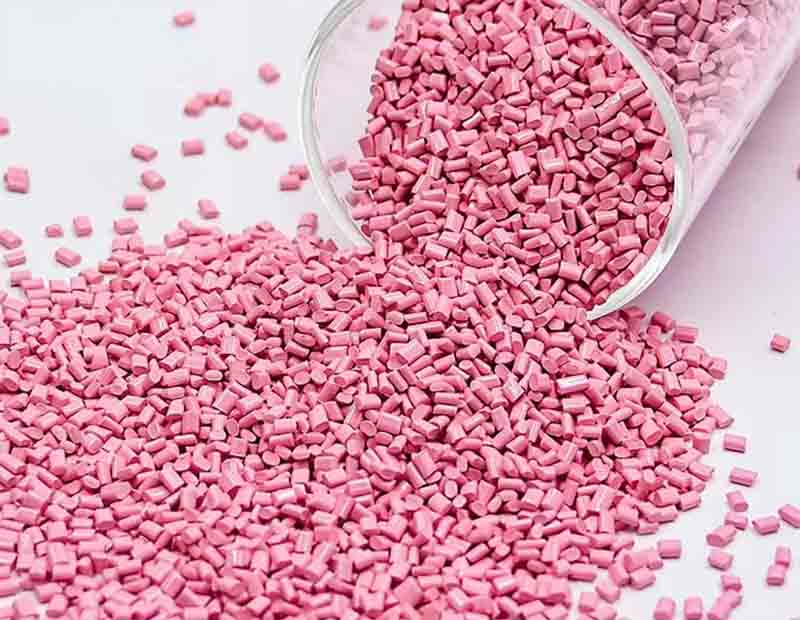
What Is PPS Plastic?
PPS stands for polyphenylene sulfide, a semi-crystalline high-performance thermoplastic known for its excellent chemical resistance, dimensional stability, and thermal performance. It is widely used in applications where conventional engineering plastics may not provide sufficient resistance to heat, chemicals, or demanding operating conditions.
One of the main advantages of PPS plastic is its ability to maintain useful mechanical and dimensional properties in challenging environments. Many PPS grades also offer excellent electrical insulation and flame-retardant performance, making the material suitable for automotive, electronics, and industrial manufacturing.
Key Properties of PPS
Excellent chemical resistance: PPS resists many acids, bases, solvents, and industrial chemicals, although compatibility depends on the specific chemical and operating conditions.
High thermal performance: Many PPS grades maintain their properties at elevated temperatures, with actual service limits depending on the formulation and application.
Good dimensional stability: Its semi-crystalline structure supports precision manufacturing when crystallization and processing conditions are properly controlled.
Electrical insulation: PPS is widely used in electrical components and electronic assemblies.
High stiffness: Glass-fiber-reinforced PPS grades can provide increased stiffness and dimensional stability.
Common Applications of PPS
PPS plastic is commonly used in automotive electrical connectors, sensor housings, pump components, valve parts, industrial machinery, and electronic equipment. It is particularly suitable for applications requiring chemical resistance, stiffness, and stable performance at elevated temperatures.
What Is PPSU Plastic?
PPSU stands for polyphenylsulfone, an amorphous high-performance thermoplastic recognized for its toughness, impact resistance, hydrolytic stability, and resistance to repeated steam sterilization.
Unlike PPS, PPSU is especially attractive for applications involving hot water, steam, repeated cleaning, and mechanical impact. Certain PPSU grades are also suitable for medical and food-contact applications when the specific material and finished product meet the relevant regulatory requirements.
Key Properties of PPSU
Excellent impact resistance: PPSU generally offers better toughness than unmodified PPS, making it suitable for components exposed to repeated handling or mechanical impact.
Outstanding hydrolytic stability: It performs well in hot water and steam environments when used within its specified operating limits.
Repeated steam sterilization capability: Suitable grades can withstand repeated autoclave cycles, subject to manufacturer specifications and application validation.
Good thermal performance: PPSU maintains useful mechanical properties at elevated temperatures, although its typical continuous service temperature is generally lower than that of many PPS grades.
Good transparency options: Natural PPSU can have an amber or translucent appearance, which may be useful for selected equipment designs.
Common Applications of PPSU
PPSU is widely used in selected medical instrument components, reusable sterilization equipment, fluid handling systems, plumbing components, and food-service equipment. Its combination of toughness and resistance to hot water makes it particularly useful where repeated cleaning and sterilization are required.
What Is the Difference Between PPS and PPSU?
The main difference between PPS and PPSU lies in their molecular structures and resulting performance characteristics. PPS is a semi-crystalline polymer containing aromatic rings and sulfur linkages, while PPSU is an amorphous polymer containing aromatic groups and sulfone linkages.
These structural differences influence their chemical resistance, mechanical toughness, thermal performance, and suitability for specific applications.
| Comparison | PPS | PPSU |
|---|---|---|
| Full name | Polyphenylene Sulfide | Polyphenylsulfone |
| Polymer structure | Semi-crystalline | Amorphous |
| Main strengths | Chemical resistance, stiffness, dimensional stability | Toughness, impact resistance, hydrolytic stability |
| Heat performance | Many grades suit higher-temperature industrial applications | Many grades suit high-temperature hot-water and steam applications |
| Chemical resistance | Excellent against many industrial chemicals | Good resistance to many chemicals, but some solvents can cause damage |
| Impact resistance | Generally lower than PPSU in comparable unmodified grades | Generally excellent |
| Steam sterilization | Depends on grade and application | Suitable grades can withstand repeated steam sterilization |
| Electrical applications | Widely used | Also suitable for selected electrical applications |
| Medical applications | Selected components, depending on grade | Commonly used for suitable medical and sterilizable components |
| Typical industries | Automotive, electronics, industrial equipment | Medical devices, fluid systems, food-service equipment |
Actual performance varies by grade, reinforcement, processing conditions, and operating environment. Technical datasheets should be used to confirm the suitability of a specific material.
PPS vs PPSU: Heat Resistance and Temperature Performance
Heat resistance is an important consideration when comparing PPS plastic with PPSU plastic.
PPS has a melting temperature of approximately 280–290°C, depending on the grade, and many grades are designed for demanding industrial environments involving elevated temperatures. Its long-term service temperature depends on the applied load, chemical exposure, and product design.
PPSU is an amorphous polymer with a glass transition temperature of approximately 220°C. It is particularly useful in applications involving hot water, steam, and repeated sterilization. Its continuous operating temperature is typically lower than that of many PPS grades, although specific values depend on the product formulation.
It is important to distinguish melting temperature, glass transition temperature, and continuous service temperature. These values describe different material behaviors and should not be used interchangeably when selecting an engineering plastic.
PPS vs PPSU: Chemical Resistance and Mechanical Properties
Chemical resistance is one of the major advantages of PPS. It performs well against many industrial chemicals and is frequently selected for components exposed to oils, solvents, and demanding process environments.
PPSU also offers useful chemical resistance, but its compatibility profile differs from that of PPS. Certain organic solvents and other aggressive chemicals may damage PPSU, so compatibility should be checked before use.
Mechanical performance is another important distinction. PPS generally provides high stiffness and dimensional stability, particularly in reinforced grades. PPSU, on the other hand, offers excellent toughness and impact resistance, making it better suited to many applications involving repeated handling or mechanical shocks.
For applications requiring both high stiffness and impact resistance, the choice should be based on the actual component design, loading conditions, and material grade rather than the polymer name alone.
PPS and PPSU Applications: Which Industries Use Them?
Automotive and Electrical Components
PPS is widely used in automotive and electrical applications because of its chemical resistance, dimensional stability, and electrical insulation properties. Typical examples include connectors, sensor housings, pump parts, and components exposed to elevated temperatures.
PPSU may also be used in selected electrical components where impact resistance and thermal performance are important.
Medical Devices and Sterilization Equipment
PPSU is frequently selected for reusable medical instrument components and sterilization equipment because suitable grades can withstand repeated steam sterilization while maintaining useful mechanical properties.
However, not every PPSU product is automatically medical-grade. Biocompatibility, cleaning procedures, sterilization validation, and regulatory compliance must be assessed for the intended application.
Industrial Machinery and Fluid Handling
PPS is suitable for many industrial components that require chemical resistance, stiffness, and dimensional stability. Examples include selected pump components, valves, and precision mechanical parts.
PPSU can be advantageous in hot-water systems and fluid handling equipment where hydrolytic stability and impact resistance are priorities.
Food-Service and Plumbing Applications
Certain PPSU grades are used in reusable food-service products and hot-water plumbing components. These applications require confirmation that the specific material complies with the applicable food-contact or plumbing requirements.
How to Choose Between PPS and PPSU
Selecting between PPS and PPSU requires a clear understanding of the operating environment and performance requirements.
Choose PPS when your application prioritizes:
Resistance to a wide range of industrial chemicals.
High stiffness and dimensional stability.
Electrical insulation and flame-retardant performance.
Precision components operating at elevated temperatures.
Industrial and automotive applications where material durability is essential.
Choose PPSU when your application prioritizes:
High impact resistance and toughness.
Repeated exposure to hot water and steam.
Resistance to repeated steam sterilization.
Reusable medical or food-service components.
Components that must withstand repeated handling and cleaning.
Before finalizing a material, compare the manufacturer's technical datasheets for operating temperature, mechanical strength, chemical compatibility, dimensional tolerances, and relevant certifications. For medical or food-contact applications, verify that the exact grade meets the required regulatory standards.
Frequently Asked Questions
Is PPS better than PPSU?
Neither material is universally better. PPS is often preferred for chemical resistance, stiffness, and dimensional stability in industrial applications. PPSU is generally preferred when toughness, impact resistance, and repeated steam sterilization are important.
Is PPSU more heat-resistant than PPS?
The answer depends on the type of heat exposure and the property being compared. Many PPS grades are suitable for higher-temperature industrial service, while PPSU is particularly effective in hot-water and steam environments. Melting temperature, glass transition temperature, and continuous service temperature must be evaluated separately.
Can PPSU withstand repeated autoclave sterilization?
Suitable PPSU grades can withstand repeated autoclave cycles, which makes them useful for selected reusable medical instruments and sterilization equipment. The number of cycles and operating conditions must be confirmed through manufacturer guidance and product validation.
Is PPS resistant to chemicals?
Yes. PPS offers excellent resistance to many acids, bases, solvents, and other industrial chemicals. However, no polymer is resistant to every chemical under all conditions, so compatibility testing or manufacturer data should guide material selection.
Is PPSU suitable for medical applications?
Certain PPSU grades are used in medical devices and reusable sterilization equipment. The suitability of a material depends on its formulation, biocompatibility data, sterilization compatibility, manufacturing controls, and the regulatory requirements of the final device.
What is the main difference between PPS and PPSU?
The key difference is their performance balance. PPS emphasizes chemical resistance, stiffness, and dimensional stability, while PPSU emphasizes toughness, impact resistance, and hydrolytic stability. The right choice depends on the specific operating environment and required performance.
PPS and PPSU are both valuable high-performance engineering plastics, but they serve different purposes. PPS is particularly suitable for industrial, automotive, and electrical components that require chemical resistance, stiffness, and dimensional stability. PPSU is an excellent candidate for applications that demand impact resistance, hot-water stability, and repeated steam sterilization.
By comparing PPS vs PPSU in terms of chemical compatibility, thermal performance, mechanical properties, and application requirements, manufacturers can make better material-selection decisions and improve the reliability of their finished products.