


PSU Material, also known as Polysulfone, is a high-performance engineering thermoplastic known for its excellent thermal stability, mechanical strength, chemical resistance, and dimensional stability. It can maintain its performance under demanding temperature and environmental conditions, making it suitable for a wide range of industrial applications.
As a high-performance engineering plastic, Polysulfone is available in different grades and forms to meet specific processing and application requirements. Choosing the right PSU Supplier is important when consistent material quality and reliable performance are required.
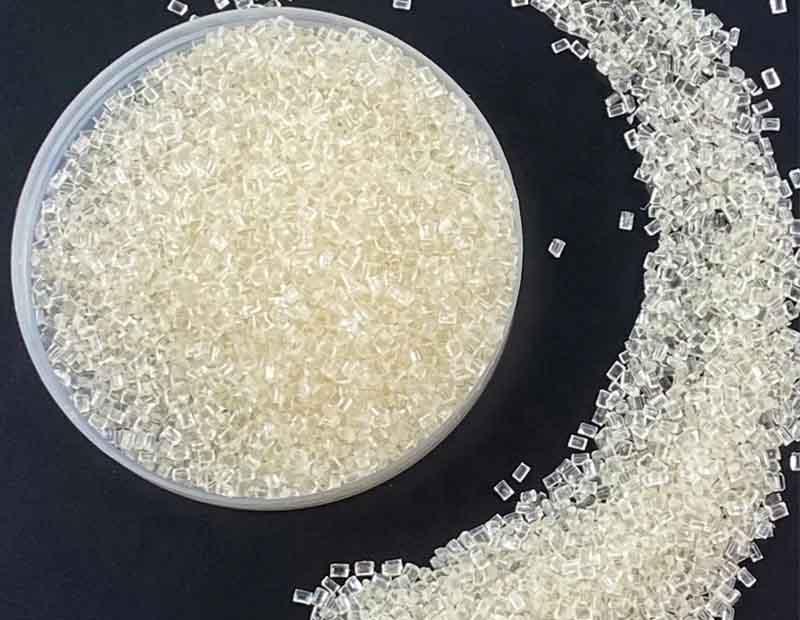
What Is PSU Material?
PSU Material is an amorphous engineering thermoplastic with the chemical name Polysulfone. It is known for its combination of high-temperature resistance, strength, toughness, and dimensional stability.
Unlike many standard thermoplastics, PSU can maintain useful mechanical properties at elevated temperatures. It also has good resistance to hydrolysis, making it suitable for applications involving hot water, steam, and repeated thermal exposure.
PSU Material can be processed using common thermoplastic manufacturing methods, including injection molding and extrusion, depending on the grade and final application.
Key Properties of Polysulfone
Polysulfone provides a combination of thermal, mechanical, chemical, and electrical properties that make it useful for demanding engineering applications.
High Temperature Resistance
PSU offers good resistance to elevated temperatures and can maintain dimensional stability under prolonged thermal exposure.
This makes Polysulfone suitable for components used in hot-water systems, electrical equipment, industrial machinery, and other applications where temperature resistance is important.
Good Mechanical Strength
PSU provides good strength and stiffness while maintaining useful toughness. This allows molded PSU components to withstand mechanical loads and repeated use in demanding environments.
Chemical Resistance
PSU Material provides resistance to many acids, bases, salts, and other chemicals. However, chemical compatibility depends on the specific chemical, concentration, temperature, exposure time, and mechanical stress.
For critical applications, compatibility testing with the actual operating environment is recommended.
Hydrolysis Resistance
One of the useful characteristics of PSU is its resistance to hydrolysis. This allows it to be considered for applications involving hot water, steam, and repeated cleaning or thermal cycles.
Dimensional Stability
Polysulfone has good dimensional stability over a relatively wide temperature range. This characteristic is valuable for precision components where maintaining dimensions during temperature changes is important.
Electrical Insulation
PSU provides good electrical insulating properties, making it suitable for selected electrical and electronic components that require a combination of insulation and thermal performance.
PSU Material Applications
Because of its balanced properties, PSU Material can be used across multiple industries.
Medical and Healthcare Equipment
Polysulfone can be used for selected medical and healthcare components where heat resistance, toughness, and resistance to repeated cleaning or sterilization are required.
Applications may include housings, trays, instrument components, and other molded parts, provided that the selected grade meets the applicable regulatory and performance requirements.
Fluid Handling
PSU is suitable for selected fluid-handling components because of its thermal stability, dimensional stability, and resistance to hydrolysis.
It can be used in components exposed to hot water and other fluids when the material's chemical compatibility has been confirmed.
Water Treatment and Filtration
Polysulfone is also used in certain filtration and water-treatment applications. Its chemical and thermal properties make it suitable for selected membrane and filtration components.
Electrical and Electronic Components
PSU Material can be used for electrical and electronic parts that require good insulation, dimensional stability, and resistance to elevated temperatures.
Industrial Equipment
Industrial equipment manufacturers can use PSU for components exposed to heat, chemicals, mechanical stress, or repeated cleaning processes.
PSU vs Other Engineering Thermoplastics
PSU belongs to the high-performance thermoplastic family and is often compared with materials such as PPSU and PES.
While these materials share some characteristics, their performance profiles are not identical.
PSU provides a useful balance of:
Thermal resistance
Mechanical strength
Chemical resistance
Hydrolysis resistance
Dimensional stability
Electrical insulation
The appropriate material should be selected according to the actual temperature, chemical exposure, mechanical load, sterilization conditions, and manufacturing process.
Polysulfone PSU Manufacturer
Choosing an experienced Polysulfone PSU Manufacturer is important for applications where consistent material properties are required.
A professional manufacturer should be able to provide suitable PSU grades according to the customer's processing method and application requirements.
Important factors to consider include:
Material consistency
Resin grade
Thermal performance
Mechanical properties
Chemical resistance
Processing characteristics
Quality control
Technical documentation
Application support
For demanding engineering applications, material consistency between production batches can be particularly important because variations in material properties may affect the performance of finished components.
Polysulfone PSU Supplier
A reliable Polysulfone PSU Supplier should provide more than the material itself. Technical information and consistent supply are also important for manufacturers using PSU in long-term production.
When selecting a PSU Supplier, buyers can consider:
Material Grade
Different PSU grades may be designed for different applications and processing methods. Select a grade according to the requirements of the finished component.
Processing Method
Determine whether the material will be injection molded, extruded, or processed using another manufacturing method.
Operating Temperature
Consider both continuous operating temperature and short-term peak temperature.
Chemical Environment
Identify the chemicals, cleaning agents, fluids, or solvents that the finished component will encounter.
Mechanical Requirements
Consider strength, stiffness, impact resistance, creep resistance, and dimensional stability according to the application.
Regulatory Requirements
For medical, food-contact, or other regulated applications, the selected PSU grade should meet the relevant requirements for the intended market and application.
Why Choose PSU Material?
PSU Material is often selected when standard engineering plastics do not provide enough thermal or mechanical performance.
Its main advantages include:
Good high-temperature performance
Good mechanical strength
Good chemical resistance
Good hydrolysis resistance
Good dimensional stability
Good electrical insulation
Suitable for demanding engineering applications
Suitable for repeated thermal exposure
The combination of these properties makes Polysulfone a versatile material for industrial and engineering applications.
How to Select the Right PSU Supplier?
Selecting the right PSU Supplier can affect both product performance and long-term production stability.
Before purchasing, consider the following:
Material specifications – Confirm that the grade meets your application requirements.
Quality consistency – Ask about manufacturing and quality control procedures.
Technical documentation – Review available technical data and material specifications.
Processing requirements – Make sure the material is suitable for your manufacturing process.
Application compatibility – Evaluate temperature, chemical, mechanical, and environmental conditions.
Supply capability – For mass production, consider production capacity and supply stability.
Technical support – A knowledgeable supplier can help with material selection and application requirements.
Frequently Asked Questions
What is PSU Material?
PSU Material is a high-performance engineering thermoplastic known as Polysulfone. It provides a combination of thermal resistance, mechanical strength, chemical resistance, hydrolysis resistance, and dimensional stability.
What is Polysulfone used for?
Polysulfone can be used in medical equipment, fluid-handling components, filtration systems, electrical and electronic components, industrial equipment, and other engineering applications.
Is PSU a high-temperature plastic?
Yes. PSU is a high-performance thermoplastic with good resistance to elevated temperatures and can maintain useful mechanical and dimensional properties under demanding thermal conditions.
Is Polysulfone chemically resistant?
Polysulfone provides good resistance to many chemicals, but its compatibility depends on the specific chemical and operating conditions. The actual application should be evaluated before material selection.
How do I choose a PSU Supplier?
When choosing a PSU Supplier, consider material grade, quality consistency, technical documentation, processing requirements, application compatibility, supply capability, and technical support.
What is the difference between a PSU Manufacturer and a PSU Supplier?
A Polysulfone PSU Manufacturer produces the material, while a PSU Supplier may manufacture, distribute, or supply the material to customers. Depending on the supplier's business model, a supplier may offer products from one or multiple manufacturers.