


PEI Raw Materials are high-performance engineering materials based on Polyetherimide (PEI), an amorphous thermoplastic known for its excellent heat resistance, mechanical strength, dimensional stability, electrical insulation, and chemical resistance. PEI Plastic Material is widely used in demanding applications where conventional plastics cannot provide sufficient thermal and mechanical performance.
Available in different grades, colors, and formulations, PEI Resin can be processed into precision components for industries such as aerospace, automotive, electronics, electrical equipment, medical devices, and industrial machinery.
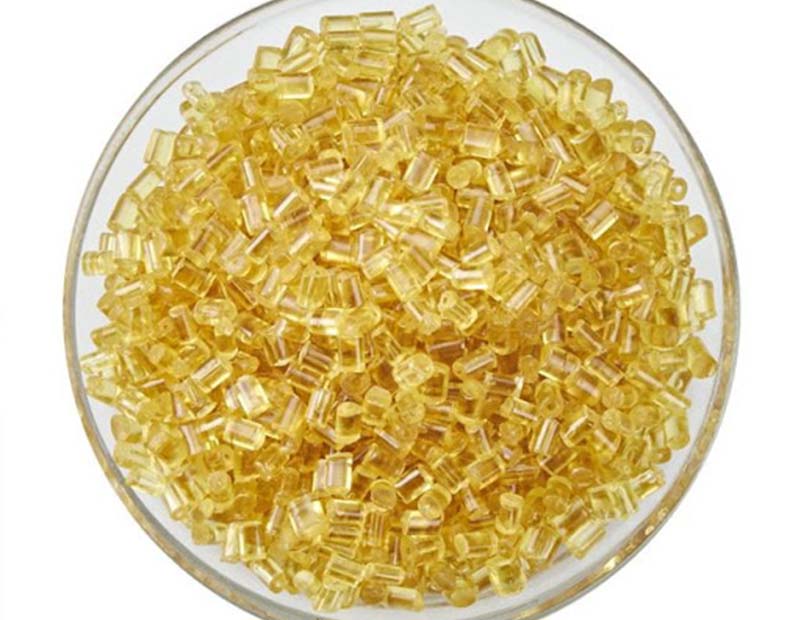
What Is PEI Material?
PEI Material, or Polyetherimide, is a high-performance engineering thermoplastic that combines strength, stiffness, heat resistance, and dimensional stability.
Its molecular structure provides excellent performance under elevated temperatures while maintaining useful mechanical properties. This makes Polyetherimide Plastic Material a suitable choice for components exposed to heat, mechanical stress, or demanding operating environments.
What Is PEI Resin?
PEI Resin is the raw material form of Polyetherimide used to manufacture finished plastic products and components. It is typically supplied in pellet or resin form for thermoplastic processing.
PEI resin can be formulated into different grades according to requirements such as:
Mechanical strength
Heat resistance
Electrical performance
Color
Chemical resistance
Flame-retardant performance
Processing requirements
The appropriate PEI grade should be selected based on the final application and manufacturing process.
Key Properties of PEI Plastic Material
PEI Plastic Material is valued for its combination of thermal, mechanical, electrical, and dimensional properties.
High Temperature Performance
One of the most important characteristics of Polyetherimide Plastic Material is its ability to maintain useful mechanical performance at elevated temperatures. This makes PEI suitable for components used in high-temperature environments.
Excellent Dimensional Stability
PEI has relatively low creep and good dimensional stability compared with many conventional thermoplastics. This allows precision components to maintain their shape under changing temperatures and mechanical loads.
High Mechanical Strength
PEI Material provides a useful combination of strength and stiffness. It can be used for structural and precision components where mechanical performance is important.
Good Electrical Insulation
PEI offers good electrical insulating properties and is therefore used in selected electrical and electronic components, connectors, insulators, and housings.
Flame Resistance
Certain PEI grades offer good flame resistance and can meet specific flammability requirements. The actual performance depends on the selected grade and applicable testing standard.
Chemical Resistance
PEI provides resistance to many chemicals, although compatibility should always be evaluated based on the specific chemical, concentration, temperature, and exposure conditions.
What Is High Temperature Black Masterbatch?
High Temperature Black Masterbatch is a concentrated color additive designed to provide black coloration to polymers during plastic processing. It typically contains a high concentration of pigment or carbon black dispersed in a compatible carrier resin.
For high-performance engineering plastics such as PEI, the masterbatch or colorant system needs to be compatible with the polymer and processing temperature.
Why Use High Temperature Black Masterbatch?
A suitable High Temperature Black Masterbatch can provide:
Consistent black coloration
Good pigment dispersion
Stable color during processing
Controlled color concentration
Improved production consistency
When used with PEI Resin, the colorant should be selected according to the processing temperature and the performance requirements of the final component.
Applications of PEI Raw Materials
Due to its combination of high-temperature performance, strength, dimensional stability, and electrical properties, PEI Raw Materials are used in a wide range of industries.
Aerospace Applications
PEI can be used for selected aerospace components where lightweight construction, dimensional stability, thermal performance, and flame resistance are important.
Automotive Components
PEI Plastic Material can be used for automotive components exposed to elevated temperatures or requiring dimensional stability and mechanical strength.
Potential applications include:
Electrical connectors
Sensor components
Engine-area components
Insulating parts
Precision mechanical components
Electrical and Electronics
PEI is suitable for selected electrical and electronic applications because of its combination of thermal resistance and electrical insulation.
Typical applications include:
Connectors
Insulators
Coil components
Electrical housings
Precision electronic components
Medical Equipment
Certain PEI grades are used for medical and laboratory equipment where heat resistance, dimensional stability, and repeated sterilization performance are required. Medical applications should use grades specifically designed and approved for the intended use.
Industrial Equipment
PEI Material can also be processed into industrial components such as precision parts, bushings, housings, fixtures, and other components operating under demanding conditions.
Advantages of PEI Resin
Choosing PEI Resin for high-performance plastic manufacturing can provide several benefits.
High Performance in Demanding Environments
PEI combines thermal, mechanical, electrical, and dimensional properties in a single engineering material.
Suitable for Precision Components
Its dimensional stability makes PEI suitable for applications where accurate and repeatable component dimensions are required.
Long-Term Reliability
When the correct grade is selected and processed properly, PEI can provide reliable performance in demanding operating environments.
Customizable Material Grades
Different PEI Raw Materials can be selected or formulated to meet specific performance, color, processing, and application requirements.
Processing PEI Plastic Material
PEI Resin can be processed using suitable thermoplastic manufacturing technologies.
Injection Molding
Injection molding is commonly used to manufacture complex PEI components with consistent dimensions and repeatable production quality.
Proper drying, processing temperature, mold design, and processing parameters are important for achieving high-quality molded parts.
Extrusion
Certain PEI grades can also be processed through extrusion to manufacture sheets, profiles, films, and other continuous products.
Color Processing
For black PEI products, a compatible High Temperature Black Masterbatch or other suitable coloring system may be used when permitted by the material formulation and processing requirements.
How to Choose PEI Raw Materials?
Choosing the correct PEI Material depends on the specific requirements of the finished product.
Operating Temperature
Consider both continuous and peak operating temperatures to ensure that the selected PEI grade can meet the application's thermal requirements.
Mechanical Requirements
Evaluate strength, stiffness, impact resistance, creep resistance, and dimensional stability according to the component's function.
Electrical Requirements
For electrical applications, dielectric properties, insulation performance, and temperature conditions should be considered.
Color Requirements
If a black or customized color is required, the colorant should be compatible with PEI and its processing conditions. High Temperature Black Masterbatch may be considered for suitable applications.
Processing Method
The PEI resin should be compatible with the intended manufacturing process, such as injection molding or extrusion.
FAQ About PEI Raw Materials
What are PEI Raw Materials?
PEI Raw Materials are Polyetherimide-based engineering materials used to manufacture high-performance plastic components and products.
What is PEI Resin?
PEI Resin is the raw material form of Polyetherimide, generally supplied for processing into molded, extruded, or otherwise manufactured plastic products.
What is PEI Plastic Material used for?
PEI Plastic Material is used in aerospace, automotive, electrical, electronics, medical, laboratory, and industrial applications requiring high-temperature performance and dimensional stability.
Is PEI suitable for high-temperature applications?
Yes. PEI is a High-performance thermoplastic designed to maintain useful mechanical and dimensional properties under elevated-temperature conditions. The actual temperature capability depends on the specific grade and application.
What is High Temperature Black Masterbatch?
High Temperature Black Masterbatch is a concentrated black color additive designed for use with polymers processed at elevated temperatures. Compatibility with PEI should be confirmed before use.
Can PEI Resin be injection molded?
Yes. Suitable grades of PEI Resin can be injection molded to manufacture complex and precision components. Proper material preparation and processing conditions are important.
How do I choose the right PEI Material?
Consider the operating temperature, mechanical requirements, electrical properties, chemical environment, color requirements, processing method, and any industry-specific standards before selecting a PEI grade.
PEI Raw Materials provide a high-performance solution for manufacturers requiring excellent thermal performance, mechanical strength, dimensional stability, and electrical insulation. Polyetherimide Plastic Material, also known as PEI Material, can be processed into precision components for demanding industrial applications.
From aerospace and automotive components to electrical connectors and medical equipment, PEI Resin offers a combination of properties that makes it suitable for many high-performance applications. For black PEI products, a compatible High Temperature Black Masterbatch can be considered to achieve consistent coloration while maintaining the required processing performance.