


PPSU (Polyphenylsulfone) is a high-performance engineering thermoplastic known for its excellent heat resistance, toughness, hydrolysis resistance, and dimensional stability. PPSU Plastic Materials are widely used in medical devices, food-processing equipment, fluid-handling components, and other demanding applications where conventional plastics may not provide sufficient performance.
However, like any engineering material, PPSU also has some limitations. Understanding the advantages and disadvantages of Polyphenylsulfone Material can help engineers select the right material for a specific application.
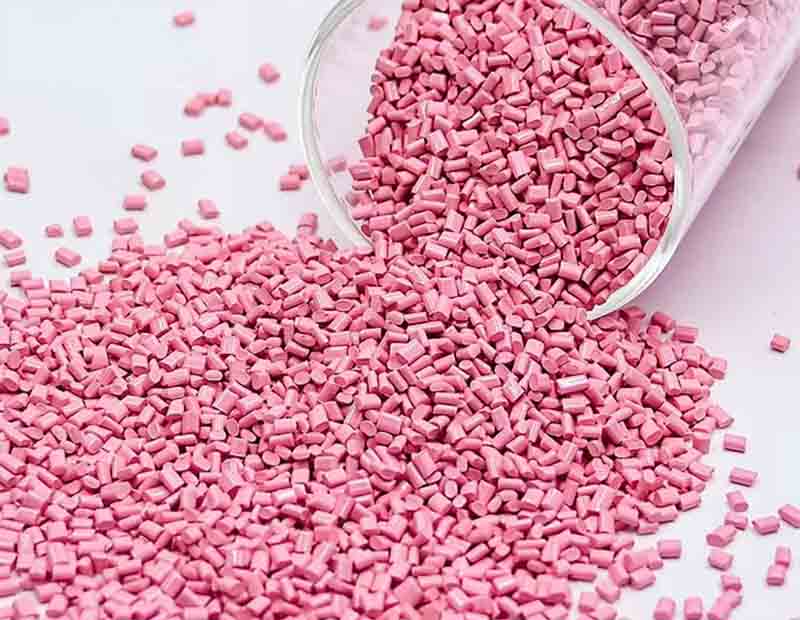
What Is PPSU Material?
PPSU stands for Polyphenylsulfone, a high-performance amorphous thermoplastic belonging to the sulfone polymer family. Polyphenylsulfone PPSU is valued for its combination of high-temperature performance, impact resistance, chemical resistance, and hydrolytic stability.
Compared with many conventional engineering plastics, Material PPSU can maintain useful mechanical properties under demanding thermal and environmental conditions. It is also naturally transparent or translucent in many grades, making it suitable for applications where visual inspection is important.
What Are the Advantages of PPSU?
1. Excellent Heat Resistance
One of the major advantages of PPSU Plastic Material is its excellent resistance to high temperatures. PPSU can retain its mechanical performance over a wide temperature range, depending on the specific grade and application conditions.
This makes PPSU suitable for components exposed to repeated heating, hot water, steam, and other demanding thermal environments.
2. Excellent Hydrolysis Resistance
Polyphenylsulfone Material offers outstanding resistance to hydrolysis. Unlike some plastics that can degrade when repeatedly exposed to hot water or steam, PPSU is designed to provide excellent stability in humid and high-temperature environments.
This property makes Polyphenylsulfone PPSU particularly attractive for medical, laboratory, fluid-handling, and sterilization-related applications.
3. High Impact Strength and Toughness
Another important advantage of PPSU Plastic Materials is their high toughness. PPSU has strong impact resistance and can withstand mechanical shock better than many rigid engineering plastics.
This combination of toughness and dimensional stability makes PPSU useful for components that need to withstand repeated handling, assembly, or mechanical stress.
4. Good Chemical Resistance
Material PPSU provides good resistance to a broad range of chemicals, including many cleaning agents and aqueous solutions. However, chemical resistance varies according to the chemical, concentration, temperature, exposure time, and PPSU grade.
For critical applications, compatibility testing should always be performed before selecting PPSU.
5. Good Dimensional Stability
PPSU Plastic Material has good dimensional stability and relatively low moisture absorption compared with many other polymers. This helps components maintain their shape and dimensions in demanding environments.
Good dimensional stability is especially valuable for precision components, fluid-handling parts, medical components, and engineered plastic assemblies.
6. Suitable for Repeated Sterilization
One of the reasons Polyphenylsulfone PPSU is widely considered for medical and healthcare applications is its ability to withstand many repeated sterilization processes, depending on the grade and sterilization method.
It can be considered for applications involving steam sterilization and other sterilization environments where resistance to heat and hydrolysis is important.
7. Good Electrical Insulation Properties
PPSU Plastic Materials also provide useful electrical insulation properties. This makes PPSU suitable for selected electrical and electronic components where thermal and mechanical performance are also required.
What Are the Disadvantages of PPSU?
1. Higher Material Cost
The most obvious disadvantage of Material PPSU is its relatively high cost compared with commodity plastics and many standard engineering plastics.
The higher price is related to its high-performance properties and specialized polymer formulation. Therefore, PPSU is generally selected when its performance benefits justify the additional material cost.
2. More Difficult to Process
PPSU Plastic Material generally requires more carefully controlled processing conditions than common thermoplastics. Injection molding, extrusion, and other processing methods may require appropriate temperature control, drying, tooling, and processing parameters.
For complex or high-precision parts, working with an experienced PPSU plastic manufacturer or processor can help achieve consistent results.
3. Requires Proper Drying Before Processing
Like other high-performance thermoplastics, PPSU Plastic Materials can require proper drying before processing. Excess moisture during molding may cause surface defects, bubbles, reduced quality, or other processing problems.
Manufacturers should follow the material supplier's recommended drying conditions for the specific PPSU grade.
4. Limited Resistance to Certain Chemicals
Although PPSU has good overall chemical resistance, it is not resistant to every chemical. Certain aggressive solvents, concentrated chemicals, or specific environmental conditions may affect PPSU.
Therefore, chemical compatibility should be evaluated based on the actual operating environment rather than relying only on the general chemical resistance of PPSU.
5. Higher Processing Equipment Requirements
Because PPSU is a high-temperature engineering thermoplastic, processing may require equipment capable of maintaining appropriate melt and mold temperatures. This can increase manufacturing complexity compared with lower-temperature plastics.
PPSU Advantages and Disadvantages at a Glance
| Advantages of PPSU | Disadvantages of PPSU |
|---|---|
| Excellent heat resistance | Higher material cost |
| Excellent hydrolysis resistance | More demanding processing |
| High impact strength and toughness | Requires proper processing control |
| Good chemical resistance | Not resistant to every chemical |
| Good dimensional stability | Higher equipment requirements |
| Suitable for repeated sterilization in appropriate grades | May require specialized manufacturing expertise |
| Good electrical insulation properties | May not be economical for low-cost applications |
Where Is PPSU Plastic Material Used?
Because of its combination of thermal, mechanical, chemical, and hydrolytic properties, Polyphenylsulfone Material is used in a wide range of demanding applications.
Medical and Healthcare Components
PPSU Plastic Materials are commonly considered for medical and healthcare components that require durability, heat resistance, and resistance to repeated sterilization.
Fluid Handling Components
PPSU can be used for selected valves, fittings, manifolds, connectors, and other fluid-handling components where hot water, chemicals, and dimensional stability are important.
Food and Beverage Equipment
Suitable grades of Polyphenylsulfone PPSU can be used in certain food-processing and beverage applications, subject to applicable regulatory and material requirements.
Laboratory Equipment
The combination of heat resistance, toughness, and chemical resistance makes Material PPSU suitable for selected laboratory and scientific equipment.
Electrical and Industrial Components
PPSU Plastic Material can also be used for electrical insulation components, connectors, housings, and industrial components requiring a combination of mechanical and thermal performance.
How to Choose the Right PPSU Material?
Consider the Operating Temperature
Determine the continuous and peak temperatures that the component will experience. The selected Polyphenylsulfone Material should be evaluated against the actual thermal conditions.
Check Chemical Compatibility
Identify all chemicals, cleaning agents, solvents, oils, and fluids that will contact the part. Compatibility should be evaluated under the actual temperature and exposure conditions.
Evaluate Mechanical Requirements
Consider impact strength, tensile requirements, stiffness, fatigue, dimensional stability, and other mechanical factors before selecting a PPSU Plastic Material.
Consider the Manufacturing Process
If the component will be injection molded, machined, or produced using another manufacturing process, the material grade should be compatible with the selected production method.
Is PPSU Better Than Other Engineering Plastics?
There is no single engineering plastic that is best for every application. Polyphenylsulfone PPSU is particularly attractive when a combination of high-temperature resistance, toughness, hydrolysis resistance, dimensional stability, and sterilization capability is required.
For applications with lower performance requirements, less expensive materials may provide a better cost-performance balance. Material selection should therefore be based on the complete operating environment and performance requirements.
FAQ About PPSU Plastic Materials
What does PPSU stand for?
PPSU stands for Polyphenylsulfone, a high-performance amorphous thermoplastic engineering polymer.
What are the main advantages of PPSU?
The main advantages of PPSU Plastic Material include excellent heat resistance, hydrolysis resistance, high toughness, good chemical resistance, dimensional stability, and suitability for demanding sterilization environments when the appropriate grade is selected.
What are the disadvantages of PPSU?
The main disadvantages include relatively high material cost, more demanding processing requirements, the need for proper processing control, and limited compatibility with certain aggressive chemicals.
Is PPSU a high-performance plastic?
Yes. Polyphenylsulfone PPSU is generally classified as a high-performance engineering thermoplastic because of its combination of thermal, mechanical, chemical, and hydrolytic properties.
Is PPSU suitable for medical applications?
Suitable PPSU grades can be used in certain medical and healthcare applications, particularly where heat resistance, toughness, and repeated sterilization are required. Regulatory compliance and grade-specific testing should be confirmed for the intended application.
Is PPSU more expensive than standard plastics?
Generally, yes. PPSU Plastic Materials are typically more expensive than commodity plastics and many standard engineering plastics. However, their higher performance can justify the cost in demanding applications.
Can PPSU be CNC machined?
Yes. PPSU can be machined using appropriate CNC machining techniques. Machining parameters, tooling, cooling, and workholding should be optimized to achieve the required dimensional accuracy and surface quality.
PPSU Plastic Materials offer an excellent combination of heat resistance, toughness, hydrolysis resistance, chemical resistance, and dimensional stability. These properties make Polyphenylsulfone Material a strong candidate for medical, laboratory, fluid-handling, food-processing, electrical, and industrial applications.
At the same time, the higher cost and more demanding processing requirements mean that PPSU is not necessarily the best choice for every application. By evaluating temperature, chemical exposure, mechanical loads, sterilization requirements, regulatory needs, and manufacturing methods, engineers can determine whether Material PPSU is the right solution.