


In engineering, PSU commonly stands for Polysulfone, a High-performance thermoplastic polymer known for its excellent heat resistance, dimensional stability, mechanical strength, and chemical resistance. Polysulfone PSU is widely used for demanding engineering applications where conventional plastics may not provide sufficient thermal or mechanical performance.
As an engineering thermoplastic, PSU Material can maintain its mechanical properties and dimensional stability under elevated temperatures. These characteristics make Polysulfone Plastic suitable for applications in medical equipment, food processing, fluid handling, electrical components, industrial equipment, and other technical fields.
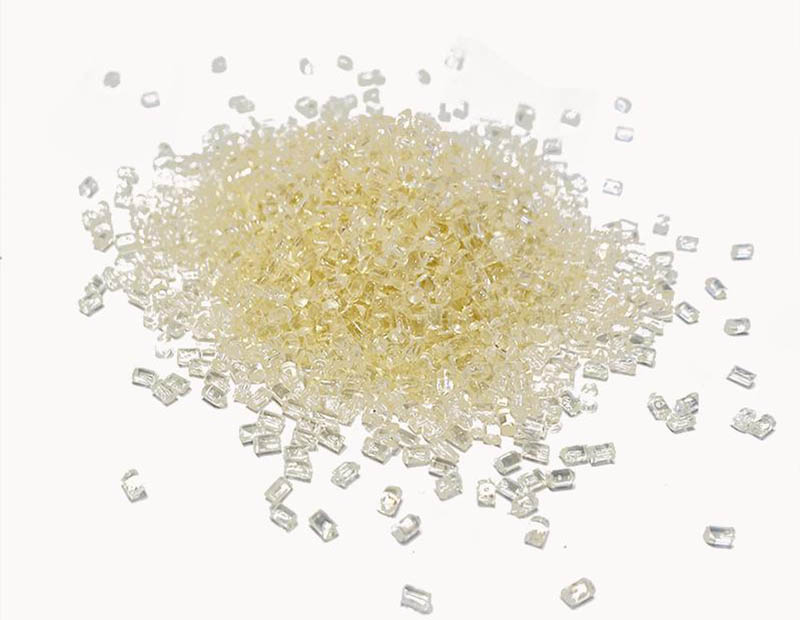
What Is PSU in Engineering?
PSU stands for Polysulfone, a family of high-performance amorphous thermoplastic polymers. In engineering applications, PSU is valued for its combination of thermal stability, strength, rigidity, transparency, and resistance to many chemicals.
PSU Polymer can be processed using conventional thermoplastic manufacturing methods, including injection molding and extrusion. It can also be machined into precision components for applications requiring stable dimensions and reliable performance.
What Is Polysulfone Resin Material?
Polysulfone Resin Material is the polymer resin used to manufacture polysulfone plastic products and components. It is an amorphous thermoplastic with a relatively high glass transition temperature, allowing it to retain useful mechanical properties at elevated temperatures.
Depending on the application, polysulfone resin can be processed into sheets, rods, tubes, molded components, and other engineering plastic products.
What Is Polysulfone Plastic?
Polysulfone Plastic is a high-performance engineering plastic based on polysulfone polymer. It is recognized for its good combination of mechanical strength, thermal stability, dimensional stability, and chemical resistance.
Unlike many commodity plastics designed primarily for general-purpose applications, polysulfone is often selected when components need to operate under more demanding thermal or mechanical conditions.
Key Properties of PSU Material
The performance of PSU Material makes it useful for a wide range of engineering applications.
High Temperature Resistance
One of the key characteristics of Polysulfone PSU is its ability to maintain useful mechanical performance at elevated temperatures. This makes PSU suitable for applications where components are exposed to repeated heating or relatively high operating temperatures.
The actual continuous-use temperature depends on the specific grade, component design, load, and operating environment.
Excellent Dimensional Stability
PSU Polymer offers good dimensional stability, which is important for precision engineering components. Low dimensional change under temperature variations can help maintain proper fit and function during service.
Good Mechanical Strength
Polysulfone provides a useful combination of strength and rigidity. This allows Polysulfone Plastic to be considered for structural and mechanical components that require more performance than many standard thermoplastics can provide.
Chemical Resistance
Polysulfone Resin Material provides resistance to many chemicals and cleaning agents. However, chemical compatibility should always be evaluated according to the specific chemical, concentration, temperature, exposure time, and stress conditions.
Good Electrical Insulation
PSU has useful electrical insulating properties, making it suitable for certain electrical and electronic components. Its thermal stability can also be beneficial in electrical applications exposed to elevated temperatures.
Hydrolysis Resistance
Polysulfone is known for good resistance to hydrolysis compared with many conventional engineering plastics. This characteristic makes PSU useful in applications involving hot water, steam, and repeated cleaning or sterilization conditions, depending on the specific grade and application requirements.
Advantages of Polysulfone PSU
Polysulfone PSU combines several performance characteristics that make it attractive for demanding engineering applications.
Good thermal stability
High dimensional stability
Good mechanical strength
Excellent rigidity
Good chemical resistance
Good hydrolysis resistance
Useful electrical insulation properties
Good transparency for suitable grades
Suitable for repeated cleaning and sterilization applications
Suitable for precision engineering components
PSU Polymer vs. Other Engineering Plastics
PSU Polymer belongs to the family of high-performance engineering thermoplastics. When selecting a polymer for an engineering application, PSU may be compared with materials such as PEI, PEEK, PPS, and other high-performance plastics.
The best material depends on the application's temperature, chemical exposure, mechanical load, dimensional requirements, electrical properties, regulatory requirements, and manufacturing process.
PSU is often selected when a combination of thermal stability, mechanical performance, chemical resistance, dimensional stability, and processability is required.
Applications of Polysulfone Plastic
Because of its balanced performance characteristics, Polysulfone Plastic is used in many technical and industrial applications.
Medical Equipment
Specific grades of PSU can be used for certain medical and healthcare components where thermal stability, dimensional stability, and resistance to repeated cleaning or sterilization are important.
Fluid Handling Components
PSU can be used in selected fluid handling applications, including components that come into contact with hot water or other fluids. Chemical compatibility should be confirmed for each specific application.
Food Processing Equipment
Suitable grades of PSU Material can be considered for food processing components where durability, thermal stability, and resistance to repeated cleaning are required, subject to applicable regulatory and material requirements.
Electrical and Electronic Components
The electrical insulation properties and thermal stability of PSU make it useful for selected electrical and electronic components, connectors, housings, and insulating parts.
Industrial Equipment
Polysulfone Resin Material can be used to manufacture various industrial components that require dimensional stability and reliable performance in demanding environments.
PSU Material Processing Methods
PSU Material can be processed using several thermoplastic manufacturing methods depending on the required component design and production volume.
Injection Molding
Injection molding is commonly used to produce complex PSU components in medium- and high-volume production. It can provide repeatable dimensions and allows manufacturers to produce components with complex geometries.
Extrusion
PSU can also be processed through extrusion to manufacture products such as sheets, profiles, tubes, and other continuous shaPES.
PSU CNC Machining
For prototypes, custom components, and precision parts, PSU CNC Machining can be used to produce components from PSU stock materials. CNC milling and turning allow manufacturers to create precise geometries according to technical drawings or CAD models.
How to Choose the Right PSU Material?
Selecting the appropriate PSU Material requires consideration of the complete operating environment and component requirements.
Operating Temperature
Determine the minimum and maximum temperatures that the component will experience. The selected PSU grade should provide sufficient thermal performance for the actual application.
Chemical Exposure
Evaluate all chemicals, cleaning agents, solvents, and fluids that may come into contact with the component. Even materials with good general chemical resistance may have limitations with specific chemicals or operating conditions.
Mechanical Requirements
Consider tensile strength, stiffness, impact requirements, load conditions, wear, and dimensional stability when selecting a Polysulfone Plastic grade.
Regulatory Requirements
For medical, food-contact, drinking-water, or other regulated applications, the selected Polysulfone Resin Material should meet the relevant requirements for the intended application.
Custom Polysulfone Components
For specialized engineering applications, Custom PSU Material components can be manufactured according to customer drawings, samples, CAD files, dimensions, and technical specifications.
Custom PSU components may include:
PSU precision components
PSU mechanical parts
PSU insulating components
PSU housings
PSU tubes
PSU fittings
PSU molded parts
CNC machined PSU parts
The manufacturing method can be selected according to component geometry, required tolerances, production volume, and application requirements.
Why Choose PSU Polymer for Engineering Applications?
The main advantage of PSU Polymer is its balanced combination of properties. It offers more thermal and mechanical performance than many general-purpose plastics while remaining processable using established thermoplastic manufacturing technologies.
For applications requiring stable performance under heat, moisture, cleaning, and mechanical stress, Polysulfone PSU can be a practical engineering material when its properties match the specific requirements.
FAQ About PSU Material
What does PSU stand for in engineering?
In engineering, PSU commonly stands for Polysulfone, a high-performance thermoplastic polymer used for components requiring good thermal stability, dimensional stability, mechanical strength, and chemical resistance.
What is Polysulfone Resin Material?
Polysulfone Resin Material is the polymer resin used to manufacture polysulfone-based engineering plastic products and components. It can be processed through methods such as injection molding, extrusion, and CNC machining.
What is Polysulfone Plastic used for?
Polysulfone Plastic is used in medical equipment, fluid handling components, food processing equipment, electrical and electronic components, industrial machinery, and other engineering applications.
Is PSU a high-performance engineering plastic?
Yes. PSU Material is generally classified as a high-performance engineering thermoplastic because of its combination of thermal stability, mechanical strength, dimensional stability, chemical resistance, and electrical properties.
Is PSU resistant to high temperatures?
PSU has good thermal stability and can maintain useful mechanical properties at elevated temperatures. However, the actual operating temperature should be determined based on the specific PSU grade, load, component design, and service environment.
Can PSU be CNC machined?
Yes. PSU can be machined using CNC milling, CNC turning, drilling, and other machining processes. PSU CNC Machining is suitable for prototypes and custom precision components.
What is the difference between PSU and Polysulfone?
There is generally no material difference in the terminology: PSU is the commonly used abbreviation for Polysulfone. The exact properties depend on the specific grade and formulation.
In engineering, PSU stands for Polysulfone, a high-performance thermoplastic valued for its thermal stability, mechanical strength, dimensional stability, chemical resistance, and electrical insulation properties.
Polysulfone Resin Material can be processed into molded parts, extruded products, tubes, sheets, and precision machined components. With its balanced performance, Polysulfone Plastic is widely considered for medical, industrial, electrical, fluid handling, and other demanding applications.
When selecting PSU Material, engineers should consider temperature, mechanical loads, chemical exposure, dimensional requirements, processing method, and any applicable regulatory requirements to ensure the material is suitable for the intended application.