


High-Performance peek plastic is a premium engineering thermoplastic known for its excellent combination of mechanical strength, high-temperature resistance, chemical resistance, wear resistance, and dimensional stability. PEEK, short for Polyether Ether Ketone, is widely used in demanding applications where conventional plastics cannot provide sufficient performance.
peek plastic material is commonly used in aerospace, medical equipment, automotive systems, semiconductor manufacturing, chemical processing, electrical and electronics, and precision machinery. With excellent performance under high temperatures and aggressive chemical environments, PEEK Plastic Parts provide reliable solutions for demanding industrial applications.
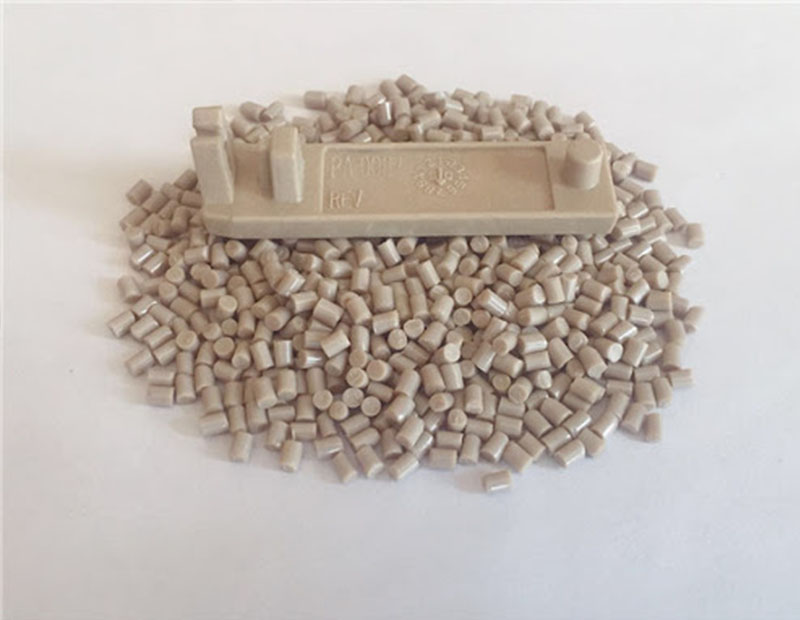
What Is PEEK Plastic?
PEEK Plastic is a high-performance semi-crystalline thermoplastic belonging to the polyaryletherketone (PAEK) family. Its molecular structure gives it excellent thermal stability, mechanical strength, chemical resistance, and wear performance.
PEEK Plastic Material can be processed through injection molding, extrusion, compression molding, and CNC machining. It is available in different grades and can also be reinforced with materials such as carbon fiber or glass fiber to achieve specific performance requirements.
Typical applications include:
Aerospace components
Medical devices
Automotive components
Semiconductor equipment
Chemical processing equipment
Electrical and electronic components
Industrial machinery
Precision PEEK Plastic Parts
Key Properties of High-Performance PEEK Plastic
Excellent PEEK Plastic Strength
PEEK Plastic Strength is one of its most important advantages. PEEK provides high tensile strength, stiffness, fatigue resistance, and dimensional stability compared with many conventional engineering plastics.
This makes PEEK suitable for structural and mechanical components that are exposed to continuous loads, vibration, friction, or demanding operating conditions.
For applications requiring even higher mechanical performance, reinforced PEEK grades containing carbon fiber or glass fiber can be selected.
High-Temperature Resistance
PEEK Plastic can maintain its mechanical properties at elevated temperatures, making it suitable for demanding thermal environments.
Its high glass transition temperature and melting temperature allow PEEK to be used in applications where ordinary thermoplastics may soften, deform, or lose mechanical performance.
This makes High-Performance PEEK Plastic particularly useful in aerospace, automotive, industrial machinery, and semiconductor equipment.
Chemical Resistance of PEEK Plastic
The Chemical Resistance of PEEK Plastic is another major reason for its use in demanding industrial applications.
PEEK provides excellent resistance to many chemicals, including numerous acids, bases, hydrocarbons, and organic solvents. This allows PEEK components to operate in harsh chemical environments where other plastics may degrade.
However, chemical compatibility should always be evaluated according to the specific chemical, concentration, temperature, exposure time, and PEEK grade.
Excellent Wear and Friction Performance
PEEK has good wear resistance and a low coefficient of friction, making it suitable for moving and sliding components.
PEEK Plastic Parts can be used for:
Bushings
Bearings
Seals
Gears
Wear rings
Guide components
Insulation components
Specialized PEEK grades can be further optimized for applications involving continuous friction and wear.
Dimensional Stability
PEEK Plastic Material maintains good dimensional stability across a wide temperature range. This is particularly valuable for precision components that must maintain their shape and dimensions during long-term operation.
PEEK Plastic Applications
Aerospace PEEK Components
Aerospace PEEK Components are widely used where lightweight construction, high mechanical performance, chemical resistance, and temperature resistance are required.
PEEK can be used for:
Aircraft interior components
Cable and electrical components
Bushings
Seals
Clips and fasteners
Structural components
Insulation components
Its lower density compared with many metals can also help reduce component weight.
PEEK Plastic for Medical Devices
PEEK Plastic for Medical Devices is used in selected healthcare and medical applications because of its excellent mechanical properties, chemical resistance, dimensional stability, and sterilization performance.
Medical-grade PEEK can be used for:
Surgical instrument components
Medical device housings
Fluid-handling components
Laboratory equipment
Implant-related applications
Precision medical components
For medical applications, the appropriate medical-grade PEEK must be selected according to applicable biocompatibility, regulatory, sterilization, and application requirements.
Automotive Applications
PEEK Plastic can replace certain metal components in automotive applications where weight reduction, chemical resistance, temperature resistance, and wear performance are required.
Potential applications include seals, bushings, bearings, electrical components, fuel-system components, and transmission-related parts.
Semiconductor Equipment
Semiconductor manufacturing equipment requires materials with excellent dimensional stability, chemical resistance, and low contamination characteristics.
PEEK Plastic Parts can be used in wafer handling equipment, fixtures, insulation components, vacuum equipment, and chemical processing systems.
Chemical Processing
PEEK's chemical resistance makes it suitable for components exposed to aggressive chemicals and demanding fluid-handling environments.
Applications can include:
Pumps
Valves
Seals
Gaskets
Pipe components
Chemical processing equipment
Electrical and Electronics
PEEK provides excellent electrical insulation properties and can maintain stable performance in demanding temperature environments.
It can be used for connectors, insulators, cable components, electronic housings, and other precision electrical components.
TyPES of PEEK Plastic Material
Unfilled PEEK
Unfilled PEEK provides a good balance of mechanical strength, temperature resistance, chemical resistance, and wear performance. It is suitable for general-purpose high-performance applications.
Carbon Fiber Reinforced PEEK
Carbon fiber reinforced PEEK offers increased stiffness, strength, dimensional stability, and reduced thermal expansion.
It is particularly suitable for structural and high-load applications.
Glass Fiber Reinforced PEEK
Glass fiber reinforced PEEK provides improved stiffness and dimensional stability. It can be used for components requiring greater rigidity than standard PEEK.
Wear-Resistant PEEK
Special wear-resistant PEEK grades can be used in applications involving continuous sliding, friction, and mechanical movement.
Manufacturing PEEK Plastic Parts
PEEK Plastic Parts can be manufactured using several different processes depending on the required geometry, quantity, and performance requirements.
CNC Machining
CNC machining is an effective method for producing precision PEEK Plastic Parts. It is particularly suitable for prototypes, customized components, and small-batch production.
CNC milling and CNC turning can produce complex geometries, tight tolerances, holes, grooves, threads, and other precision features.
Injection Molding
Injection molding is suitable for producing larger quantities of PEEK components. It provides repeatable dimensions and efficient production for complex parts.
Extrusion
PEEK can be extruded into rods, sheets, tubes, profiles, and other semi-finished shapes that can subsequently be machined into customized components.
Advantages of PEEK Plastic Compared with Traditional Materials
Lightweight Alternative to Metal
PEEK has a lower density than many metals while still providing excellent mechanical performance. This makes it attractive for applications where weight reduction is important.
Excellent Long-Term Performance
PEEK maintains its mechanical and dimensional properties under demanding temperature, chemical, and mechanical conditions.
Corrosion Resistance
Unlike metals, PEEK does not rust or corrode. This makes it suitable for applications involving moisture, chemicals, and aggressive fluids.
Reduced Maintenance
The combination of wear resistance, chemical resistance, and dimensional stability can help extend component service life and reduce maintenance requirements in suitable applications.
How to Choose the Right PEEK Plastic?
Consider Operating Temperature
Determine the continuous and peak operating temperatures before selecting the PEEK grade.
Evaluate Mechanical Loads
Consider tensile loads, compressive loads, impact, vibration, fatigue, and stiffness requirements.
Check Chemical Compatibility
Identify all chemicals that the component may contact and verify compatibility with the selected PEEK grade.
Consider Wear Conditions
For bearings, seals, bushings, and other moving parts, select a grade appropriate for the required friction and wear performance.
Select the Appropriate PEEK Grade
Unfilled, carbon fiber reinforced, glass fiber reinforced, and wear-resistant PEEK grades provide different performance characteristics. The correct grade should be selected based on the actual application.
Why Choose High-Performance PEEK Plastic?
High-Performance PEEK Plastic combines excellent mechanical strength, high-temperature resistance, chemical resistance, wear resistance, dimensional stability, and electrical insulation.
These properties make PEEK an ideal engineering material for applications where reliability and long-term performance are critical.
From Aerospace PEEK Components and PEEK Plastic for Medical Devices to automotive, semiconductor, chemical processing, and industrial applications, PEEK Plastic Material provides a versatile solution for high-performance component manufacturing.
Frequently Asked Questions About PEEK Plastic
What is PEEK Plastic?
PEEK Plastic is a high-performance engineering thermoplastic known for its excellent mechanical strength, high-temperature resistance, chemical resistance, wear resistance, and dimensional stability.
Is PEEK Plastic strong?
Yes. PEEK Plastic Strength is significantly higher than that of many conventional engineering plastics. Reinforced PEEK grades can provide even greater stiffness and mechanical performance.
What is the Chemical Resistance of PEEK Plastic?
PEEK provides excellent resistance to many acids, bases, hydrocarbons, and organic solvents. However, compatibility should be evaluated based on the specific chemical and operating conditions.
What is PEEK Plastic used for?
PEEK Plastic Applications include aerospace components, medical devices, automotive parts, semiconductor equipment, chemical processing components, electrical components, seals, bearings, bushings, and precision industrial parts.
Is PEEK suitable for medical devices?
Yes. Certain medical-grade PEEK Materials are used in medical devices and healthcare applications. The specific grade must meet the applicable medical, biocompatibility, and regulatory requirements.
Can PEEK Plastic be CNC machined?
Yes. PEEK is well suited for CNC machining. CNC machining can produce customized PEEK Plastic Parts with complex geometries and tight dimensional tolerances.
Is PEEK better than metal?
PEEK is not universally better than metal, but it can provide advantages such as lower weight, corrosion resistance, chemical resistance, electrical insulation, and excellent wear performance. The appropriate material depends on the application requirements.