


PEEK vs PEI: Which Plastic Is Better for High-Temperature Applications?
PEEK and PEI are both high-performance engineering plastics designed for demanding applications, but they are not interchangeable. PEEK generally offers higher continuous-use temperature, stronger wear resistance, and greater performance in extreme environments, while PEI provides an attractive balance of heat resistance, mechanical strength, dimensional stability, electrical insulation, and processing performance. The better choice depends on the actual temperature, mechanical load, chemical exposure, precision requirements, and material budget of your application.
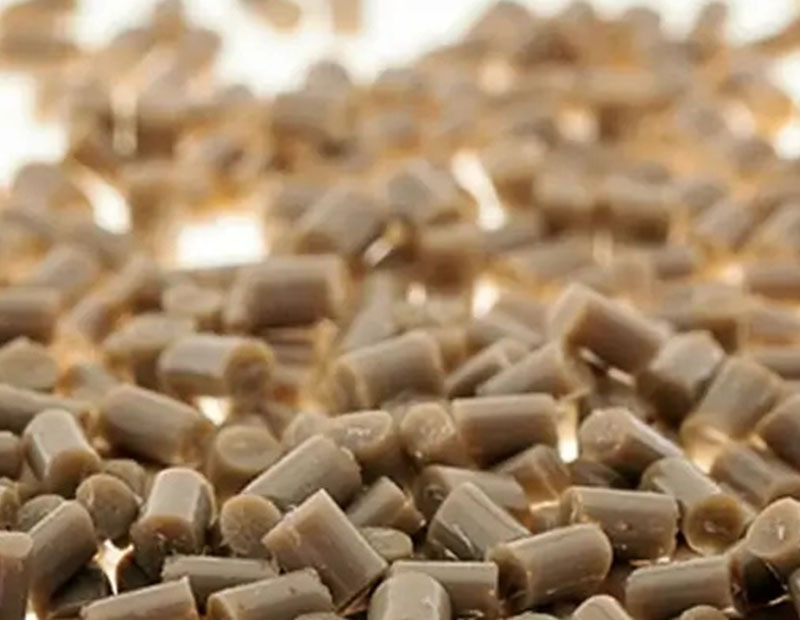
PEEK vs PEI: Key Differences
PEEK (Polyetheretherketone) is a semi-crystalline High-performance thermoplastic, while PEI (Polyetherimide) is an amorphous engineering thermoplastic. Both are used in aerospace, automotive, medical, electronics, and industrial applications, but their performance profiles are different. ZTD Polymer supplies both PEEK and PEI in forms such as resin, sheets, rods, films, and customized components. :contentReference[oaicite:0]{index=0}
| Property | PEEK | PEI |
|---|---|---|
| Polymer type | Semi-crystalline thermoplastic | Amorphous thermoplastic |
| Continuous-use temperature | Up to about 250–260°C | Up to about 170°C |
| Mechanical strength | Excellent | Excellent |
| Wear resistance | Excellent | Good |
| Chemical resistance | Excellent | Very good |
| Dimensional stability | Excellent | Excellent |
| Electrical insulation | Excellent | Excellent |
| Typical material cost | Higher | Generally lower than PEEK |
The values above should be treated as general material-selection guidance rather than universal specifications. Actual performance depends on grade, reinforcement, processing conditions, geometry, and operating environment.
PEEK Plastic: When Is It the Better Choice?
PEEK plastic is usually the stronger candidate when an application combines high temperature, mechanical loading, chemical exposure, wear, or long service life. ZTD Polymer lists continuous operating temperatures of up to 250–260°C for its PEEK material and describes its resistance to chemicals, wear, fatigue, and demanding mechanical loads. :contentReference[oaicite:1]{index=1}
For example, PEEK can be considered for bearings, seals, gears, semiconductor components, aerospace connectors, medical components, and other parts where maintaining performance under harsh conditions is more important than minimizing material cost. ZTD Polymer also offers natural, reinforced, and ESD PEEK options for different application requirements. :contentReference[oaicite:2]{index=2}
Choose PEEK when:
You need continuous high-temperature performance above the typical PEI range.
The component experiences significant mechanical loads or repeated stress.
Wear, friction, or fatigue resistance is a major concern.
The application involves aggressive chemicals or demanding industrial environments.
You need a high-performance material for aerospace, semiconductor, medical, automotive, or industrial components.
PEI Plastic: When Is It the Better Choice?
PEI plastic offers a different balance of properties. ZTD Polymer describes PEI as an amorphous engineering thermoplastic with a glass transition temperature of about 217°C and a continuous-use temperature of about 170°C. It also provides strong dimensional stability, electrical insulation, chemical resistance, and UL94 V-0 flame-retardant performance. :contentReference[oaicite:3]{index=3}
PEI can therefore be attractive when the application needs reliable performance at elevated temperatures but does not require the extreme temperature capability or wear performance of PEEK. It is used in connectors, insulation components, sensor housings, medical components, semiconductor equipment, and aerospace parts. :contentReference[oaicite:4]{index=4}
Choose PEI when:
The operating temperature is within the PEI performance range.
Dimensional stability and precision are important.
Electrical insulation is a major requirement.
You need a flame-retardant engineering plastic.
You want high performance without automatically selecting the higher-temperature PEEK option.
PEEK vs PEI for High-Temperature Applications
For high-temperature applications, the first question should be the actual continuous operating temperature rather than the material's maximum short-term temperature. ZTD Polymer lists PEEK at up to about 250–260°C continuous operation, compared with about 170°C for PEI. This gives PEEK a significant advantage when the application remains at elevated temperatures for long periods. :contentReference[oaicite:5]{index=5}
However, temperature alone should not determine the material. A component operating at 150°C may not automatically require PEEK. If the application primarily requires dimensional stability, electrical insulation, flame resistance, and moderate high-temperature performance, PEI may provide a more appropriate material balance.
PEEK vs PEI for Chemical Resistance
Both PEEK and PEI provide strong chemical resistance, but the exact result depends on the chemical, concentration, temperature, exposure time, and material grade. PEEK is particularly well suited to harsh industrial environments and is described by ZTD Polymer as resistant to acids, solvents, oils, and corrosive media. :contentReference[oaicite:6]{index=6}
PEI also has good resistance to acids, alcohols, bases, and various solvents. For either material, the safest approach is to evaluate the actual chemical environment rather than selecting a polymer based only on a general chemical-resistance ranking. :contentReference[oaicite:7]{index=7}
PEEK vs PEI for Precision Components
Both materials can be used for precision components, but PEI is particularly attractive where dimensional stability and low moisture absorption are important. ZTD Polymer reports a 24-hour water absorption value of approximately 0.25% for its PEI material and highlights its low creep and dimensional stability. :contentReference[oaicite:8]{index=8}
PEEK is also suitable for precision machining and is available from ZTD Polymer in sheets, rods, tubes, films, resin, and machined components. Its combination of strength, wear resistance, chemical resistance, and dimensional stability makes it useful for demanding moving and load-bearing components. :contentReference[oaicite:9]{index=9}
How to Choose Between PEEK and PEI
For engineering and purchasing teams, a practical material-selection process should start with the actual working conditions. Consider the following questions before requesting a quotation:
| Selection Question | What to Consider |
|---|---|
| What is the continuous operating temperature? | If temperatures approach or exceed the PEI range, evaluate PEEK or another higher-temperature material. |
| Is the component exposed to chemicals? | Identify the exact chemical, concentration, temperature, and exposure time. |
| Is wear resistance important? | PEEK is often preferable for demanding wear and friction applications. |
| Is electrical insulation required? | Both materials can provide strong electrical insulation performance; grade selection remains important. |
| Is dimensional stability critical? | Both can be suitable, with PEI offering particularly strong dimensional stability and low moisture absorption. |
| What form do you need? | Confirm whether you need resin, sheet, rod, tube, film, or a machined component. |
PEEK or PEI: Which One Should You Choose?
There is no universal winner between PEEK and PEI. PEEK is generally the better choice for extreme temperature, heavy mechanical loading, wear, and highly demanding chemical environments. PEI can be the better choice when you need high-temperature performance, dimensional stability, electrical insulation, flame resistance, and a balanced overall material solution.
The most cost-effective material is not necessarily the material with the lowest price per kilogram. Selecting a polymer that meets the actual operating requirements can reduce premature failure, redesign, machining changes, and replacement costs.
PEEK and PEI Material Supply for Industrial Applications
ZTD Polymer supplies high-performance engineering plastics including PEEK and PEI, with options covering raw resin, sheets, rods, films, and custom-machined parts. Its product range also includes PPSU, PSU, and PES, allowing buyers to compare several high-performance polymer families when one material does not fully match the application requirements. :contentReference[oaicite:10]{index=10}
If you are comparing PEEK plastic and PEI plastic for a specific component, provide the required dimensions, operating temperature, mechanical load, chemical exposure, application, and preferred material form. This information can help determine the most suitable grade and supply format before ordering.
FAQ: PEEK vs PEI
Is PEEK better than PEI for high-temperature applications?
Generally, PEEK has the advantage when continuous operating temperatures are substantially higher. ZTD Polymer lists PEEK at up to approximately 250–260°C continuous operation, while its PEI material is listed at approximately 170°C. :contentReference[oaicite:11]{index=11}
Is PEI cheaper than PEEK?
PEI is generally considered a more economical alternative when its performance is sufficient for the application. However, actual pricing depends on grade, reinforcement, form, dimensions, quantity, and processing requirements.
Can both PEEK and PEI be machined?
Yes. ZTD Polymer lists CNC machining among the processing options for both PEEK and PEI, alongside injection molding and extrusion where applicable. :contentReference[oaicite:12]{index=12}
Which is better for electrical insulation, PEEK or PEI?
Both provide strong electrical insulation properties. The final choice should consider dielectric requirements, operating temperature, mechanical loads, dimensional requirements, and the specific grade rather than relying on the polymer name alone.
How do I choose the right PEEK or PEI grade?
Start with the application conditions: operating temperature, load, wear, chemical exposure, electrical requirements, dimensions, processing method, and required form. For specialized applications, discuss the operating conditions with the material supplier before selecting a grade.
Need help comparing PEEK and PEI for your application? Send your required material form, dimensions, operating conditions, and application details to ZTD Polymer for a suitable material recommendation and quotation.