




PES, also known as Polyethersulfone, is a high-performance engineering plastic widely used in industries that require excellent heat resistance, dimensional stability, chemical resistance, and electrical insulation properties. As a member of specialty engineering plastics, PES material provides reliable performance in demanding environments where conventional plastics cannot meet application requirements.
So, what material is PES? PES is an amorphous thermoplastic polymer with a unique molecular structure containing ether and sulfone groups. These structures provide PES plastic with outstanding thermal stability, mechanical strength, and long-term durability.
Due to its excellent overall performance, Polyethersulfone Material is widely used in medical devices, electronics, automotive components, filtration systems, aerospace applications, and precision engineering parts.
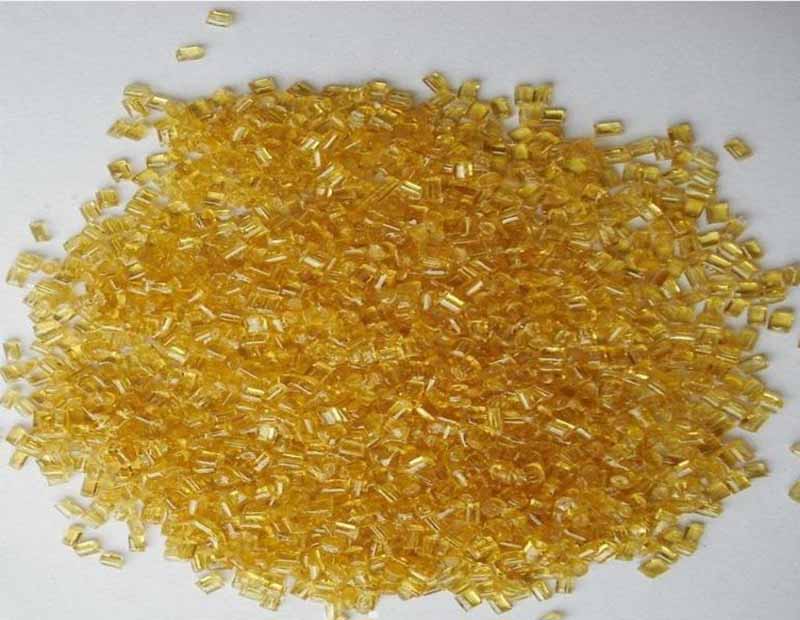
What Is PES Material?
PES (Polyethersulfone) is a High-performance thermoplastic polymer belonging to the family of engineering plastics. It is a transparent or semi-transparent material known for its excellent resistance to heat, chemicals, and mechanical stress.
Unlike ordinary plastics, PES plastic can maintain stable performance under high temperatures and challenging operating conditions.
The chemical structure of PES contains:
Ether groups
Sulfone groups
These molecular structures provide PES material with:
High thermal stability
Excellent dimensional accuracy
Good mechanical strength
Strong chemical resistance
Reliable electrical insulation
Because of these properties, PES is often selected as an alternative material for metal components and conventional plastics in high-performance applications.
What Are the Properties of PES Plastic?
High Temperature Resistance
One of the most important characteristics of PES engineering plastic is its excellent heat resistance.
PES can maintain its mechanical properties during continuous exposure to elevated temperatures, making it suitable for:
High-temperature electrical components
Medical sterilization equipment
Industrial precision parts
Its thermal stability allows manufacturers to use PES in environments where standard plastics may deform or lose performance.
Excellent Dimensional Stability
PES material has low thermal expansion and maintains accurate dimensions even when exposed to temperature changes.
This makes PES suitable for precision applications requiring:
Tight tolerances
Stable dimensions
Reliable performance
Common applications include electronic components, medical devices, and precision mechanical parts.
Good Chemical Resistance
PES plastic provides strong resistance against many chemicals, including:
Oils
Acids
Alkalis
Cleaning agents
This chemical resistance makes Polyethersulfone material suitable for applications involving aggressive environments, such as filtration systems and industrial equipment.
Excellent Electrical Insulation Properties
Another advantage of PES plastic is its stable electrical performance.
PES provides:
High dielectric strength
Reliable insulation performance
Good resistance to electrical aging
Therefore, PES is widely used in:
Electrical connectors
Insulation components
Sensor housings
Electronic parts
Good Mechanical Strength and Creep Resistance
Compared with ordinary plastics, PES material offers better mechanical strength and resistance to deformation under long-term stress.
Its creep resistance makes it suitable for components that must maintain their shape during continuous operation.
What Is PES Material Used For?
PES material applications cover various industries that require high-performance plastic solutions.
PES Applications in Medical Industry
The medical industry is one of the major application areas for Polyethersulfone material.
PES is commonly used in:
Medical device components
Surgical instrument parts
Sterilization trays
Filter membranes
Laboratory equipment
The advantages of PES in medical applications include:
High temperature resistance
Steam sterilization capability
Chemical stability
Long service life
PES is especially valuable in medical filtration because it can provide high flow performance and reliable filtration efficiency.
PES Applications in Filtration Industry
PES filter membranes are widely used in water treatment, pharmaceutical, and food processing industries.
Common applications include:
Water filtration membranes
Pharmaceutical filters
Bioprocess filtration
Food and beverage filtration systems
PES is preferred for filtration because of:
High flow rates
Low protein binding
Chemical resistance
Good mechanical strength
PES Applications in Electrical and Electronics Industry
Due to its excellent insulation properties and heat resistance, PES plastic is widely used in electronic manufacturing.
Typical applications include:
Electrical connectors
Insulators
Sensor components
Circuit protection parts
Coil components
PES helps ensure stable performance in electronic devices operating under high temperatures.
PES Applications in Automotive Industry
The automotive industry uses PES engineering plastic for components requiring durability and heat resistance.
Common automotive applications include:
Electrical connectors
Sensor housings
Fuel system components
Engine-related parts
With the development of electric vehicles, high-performance plastics like PES are becoming increasingly important for lightweight and durable automotive designs.
PES Applications in Aerospace Industry
In aerospace manufacturing, materials must provide high performance while reducing weight.
PES material is used for:
Aircraft electrical components
Insulation parts
Precision structural components
Its lightweight design, thermal stability, and reliability make it suitable for aerospace applications.
Advantages of Using PES Plastic
Lightweight Alternative to Metal
Compared with metal materials, PES provides:
Lower weight
Corrosion resistance
Easier processing
This makes it a valuable material for industries looking to reduce component weight.
Long-Term Performance
The excellent stability of PES material allows components to maintain performance over long service periods.
Benefits include:
Reduced maintenance
Longer component life
Improved reliability
Suitable for Precision Manufacturing
PES can be processed using advanced manufacturing methods, including:
CNC machining
Injection molding
Extrusion
This allows manufacturers to produce custom PES parts with complex designs and precise dimensions.
PES Material vs PEEK Material
Both PES and PEEK are high-performance engineering plastics, but they have different performance levels.
| Feature | PES | PEEK |
|---|---|---|
| Full Name | Polyethersulfone | Polyether Ether Ketone |
| Temperature Resistance | High | Higher |
| Mechanical Strength | Good | Excellent |
| Chemical Resistance | Good | Excellent |
| Cost | More economical | Higher |
| Typical Applications | Medical, electronics, filtration | Aerospace, automotive, extreme environments |
In general:
PES material offers excellent performance with a more competitive cost.
PEEK material provides higher performance for extreme conditions.
How to Choose a Reliable PES Material Manufacturer?
When selecting a PES material manufacturer, consider the following factors:
Material Quality
A reliable supplier should provide consistent-quality Polyethersulfone material that meets industry requirements.
Processing Capability
Professional manufacturers should have experience producing:
Custom PES parts
Precision plastic components
CNC machined PES components
Application Experience
An experienced manufacturer can recommend suitable PES grades based on:
Temperature requirements
Chemical exposure
Mechanical performance
Industry standards
Quality Control
Strict quality inspection ensures:
Dimensional accuracy
Material consistency
Product reliability
