




PEEK plastic is one of the most advanced high-performance engineering plastics available today. Known for its excellent mechanical strength, high temperature resistance, chemical resistance, and dimensional stability, PEEK Material is widely used in industries that require reliable performance under extreme operating conditions.
But what is PEEK plastic used for? This advanced polymer is commonly used in aerospace, automotive, medical, semiconductor, electronics, and industrial applications. Due to its ability to replace metals while reducing weight and maintaining excellent performance, PEEK plastic components have become an important solution for precision manufacturing.
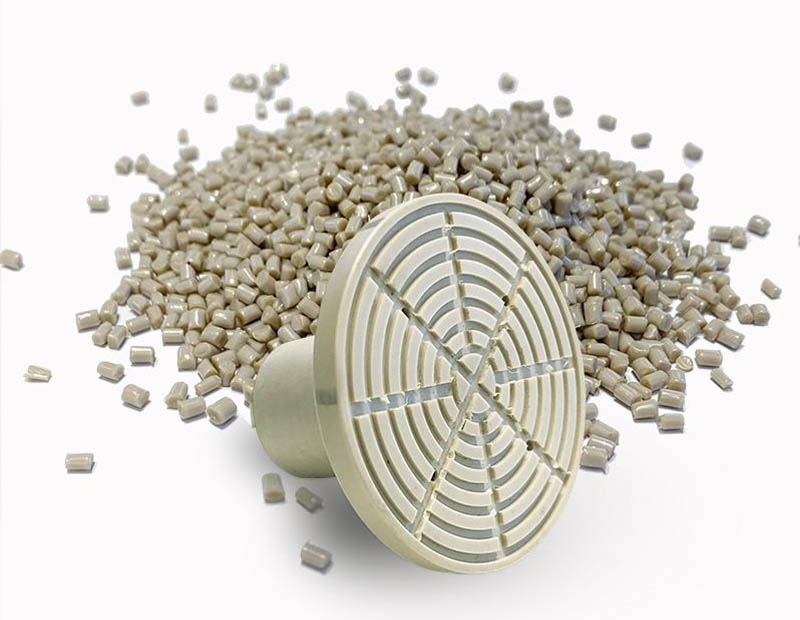
What Is PEEK Plastic?
PEEK (Polyether Ether Ketone) is a High-performance thermoplastic polymer belonging to the family of specialty engineering plastics.
Unlike conventional plastics, PEEK plastic maintains excellent mechanical and chemical properties even under high temperatures and harsh environments.
The unique molecular structure of PEEK gives it outstanding characteristics, including:
High temperature resistance
Excellent chemical resistance
High mechanical strength
Superior wear resistance
Low friction coefficient
Excellent dimensional stability
Good electrical insulation properties
High radiation resistance
Because of these advantages, PEEK engineering plastic is often used as an alternative to metals such as aluminum, steel, and titanium in demanding applications.
What Is PEEK Plastic Used For?
PEEK plastic is used for manufacturing precision components that require high strength, durability, and resistance to extreme conditions. The main applications of peek material include aerospace, automotive, medical equipment, electronics, semiconductor manufacturing, and industrial machinery.
PEEK Plastic Applications in Aerospace Industry
The aerospace industry requires materials that are lightweight, strong, and capable of operating under extreme temperatures.
PEEK plastic components are widely used in aerospace applications, including:
Aircraft cable insulation parts
Sealing components
Bearings
Bushings
Structural components
Fuel system parts
Compared with metal materials, PEEK provides a lower weight solution while maintaining excellent mechanical performance.
Its resistance to high temperatures, chemicals, and wear makes it suitable for demanding aerospace environments.
PEEK Applications in Automotive Industry
The automotive industry increasingly uses PEEK material because modern vehicles require lightweight, durable, and heat-resistant components.
Common automotive PEEK plastic applications include:
Engine components
Gear components
Valve parts
Electrical connectors
Sealing rings
Bearing cages
PEEK can withstand high temperatures and exposure to automotive fluids, making it suitable for engine compartments and electric vehicle systems.
Medical Applications of PEEK Plastic
One of the most important advantages of PEEK is its excellent biocompatibility, making it suitable for medical applications.
Medical-grade PEEK plastic is commonly used for:
Surgical instruments
Medical implants
Spinal implants
Dental components
Orthopedic devices
Compared with traditional metal implants, PEEK offers:
Lightweight structure
Good chemical stability
Compatibility with medical imaging technologies
Similar mechanical properties to human bone
Because of these benefits, PEEK material has become an important choice in advanced medical manufacturing.
PEEK Plastic Applications in Electrical and Electronics Industry
PEEK is widely used in electrical and electronic applications due to its excellent insulation performance and heat resistance.
Typical applications include:
Electrical connectors
Insulators
Coil bobbins
Electronic housings
High-temperature electrical components
PEEK engineering plastic can maintain stable performance in high-temperature environments where standard plastics may fail.
PEEK Applications in Semiconductor Manufacturing
The semiconductor industry requires materials with high precision, chemical resistance, and low contamination characteristics.
PEEK plastic components are used in semiconductor equipment such as:
Wafer handling parts
Semiconductor fixtures
Chemical processing components
Insulation components
Precision machine parts
The advantages of PEEK in semiconductor applications include:
Low particle generation
Excellent dimensional stability
Resistance to aggressive chemicals
High precision performance
Industrial Applications of PEEK Plastic
In industrial equipment, PEEK is commonly selected for parts that experience friction, pressure, and chemical exposure.
Industrial PEEK plastic applications include:
Bearings
Bushings
Wear plates
Seals
Pump components
Valve components
Mechanical parts
The low friction coefficient and excellent wear resistance of PEEK help extend component service life and reduce maintenance costs.
Key Properties of PEEK Plastic
High Temperature Resistance
One of the most important advantages of PEEK material is its ability to operate continuously at high temperatures.
PEEK can maintain mechanical performance in environments where many conventional plastics cannot function effectively.
Excellent Chemical Resistance
PEEK provides strong resistance against:
Acids
Alkalis
Solvents
Oils
Fuels
This makes it suitable for chemical processing equipment and harsh industrial environments.
High Mechanical Strength
Although PEEK is a plastic material, its strength and stiffness are comparable to some metal materials.
It provides:
High tensile strength
Good impact resistance
Excellent fatigue resistance
Wear Resistance and Low Friction
PEEK has excellent sliding properties, making it suitable for moving components such as:
Bearings
Bushings
Wear rings
It reduces friction and improves equipment efficiency.
Electrical Insulation Performance
PEEK has stable electrical properties over a wide temperature range, making it ideal for electronic and electrical components.
Why Choose Custom PEEK Parts?
Many manufacturers require customized solutions instead of standard PEEK products.
Custom PEEK parts can be manufactured according to specific requirements, including:
Complex geometries
Tight tolerances
Special dimensions
Different grades of PEEK material
Common manufacturing methods include:
CNC machining PEEK
Injection molding
Compression molding
Extrusion
Among them, CNC machining PEEK is widely used for producing high-precision prototyPES and low-volume custom components.
PEEK Plastic vs Traditional Engineering Plastics
Compared with standard engineering plastics such as nylon, POM, and PTFE, PEEK provides superior performance.
| Property | PEEK Plastic | Standard Engineering Plastics |
|---|---|---|
| Temperature Resistance | Excellent | Moderate |
| Mechanical Strength | Very High | Medium |
| Chemical Resistance | Excellent | Good |
| Wear Resistance | Excellent | Moderate |
| Cost | Higher | Lower |
Although PEEK has a higher material cost, its long service life and reliable performance make it valuable for critical applications.
How to Choose a Reliable PEEK Plastic Manufacturer?
When selecting a PEEK plastic manufacturer, consider the following factors:
Material Quality
A reliable supplier should provide high-quality PEEK material with consistent performance and proper certifications.
Manufacturing Capability
Professional manufacturers should have advanced processing capabilities, including:
CNC machining PEEK
Precision molding
Surface finishing
Quality inspection
Customization Experience
A good supplier should be able to provide custom PEEK parts based on customer drawings, specifications, and application requirements.
Quality Control
Strict inspection processes help ensure:
Dimensional accuracy
Material performance
Product reliability
FAQ About PEEK Plastic
What is PEEK plastic used for?
PEEK plastic is used for high-performance applications in aerospace, automotive, medical, electronics, semiconductor, and industrial industries due to its excellent strength, temperature resistance, and chemical resistance.
Is PEEK plastic stronger than regular plastic?
Yes. PEEK is much stronger and more durable than conventional plastics. It provides higher mechanical strength, better heat resistance, and improved chemical stability.
Can PEEK replace metal parts?
In many applications, PEEK can replace metal parts because it is lightweight, corrosion-resistant, and capable of maintaining good mechanical performance under harsh conditions.
Is PEEK plastic suitable for CNC machining?
Yes. CNC machining PEEK is a common manufacturing method for producing precision components with tight tolerances and complex designs.
What industries use PEEK material?
PEEK material is widely used in aerospace, automotive, medical, semiconductor, electronics, chemical processing, and industrial machinery industries.
