




PPSU (Polyphenylsulfone) is a high-performance engineering thermoplastic widely used in medical devices, food contact products, aerospace components, and industrial applications. As a PPSU Plastic Material, it is known for excellent heat resistance, high impact strength, and stability under repeated sterilization. However, despite its advantages, Polyphenylsulfone Material (PPSU) also has several limitations that should be considered before selection.
In this article, we will analyze the main disadvantages of PPSU Plastic Materials, Material PPSU, and Polyphenylsulfone PPSU, helping engineers and buyers make informed material decisions.
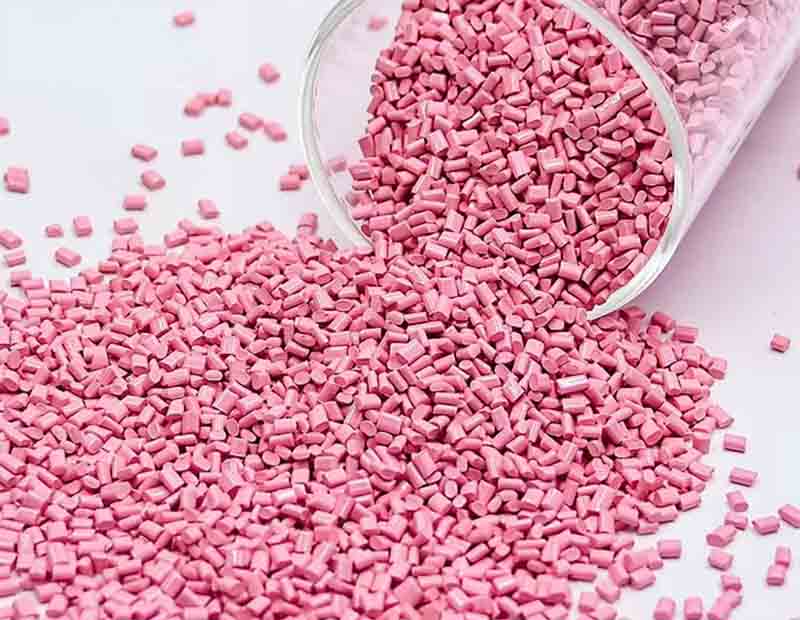
1. High cost of PPSU raw materials
One of the biggest disadvantages of PPSU Raw Materials is the high price.
Compared with standard engineering plastics such as PP, ABS, or PC, PPSU is significantly more expensive due to:
Complex polymer synthesis process
High-performance material structure
Limited global production capacity
As a result, PPSU Plastic Material is mainly used in high-end applications where performance is more important than cost.
2. Difficult processing and high molding requirements
Material PPSU requires strict processing conditions during injection molding or manufacturing.
Processing challenges include:
High melting temperature (around 340°C)
Requires high-performance injection molding equipment
Strict temperature and cooling control
Longer production cycle time
These factors increase manufacturing complexity and overall production cost for Polyphenylsulfone PPSU components.
3. Limited chemical resistance compared to fluoropolymers
Although Polyphenylsulfone Material has good chemical resistance, it is not universally resistant to all chemicals.
Limitations include:
Less resistant than PTFE or PEEK in some aggressive chemical environments
Possible degradation under long-term exposure to strong solvents
Not suitable for all industrial chemical applications
4. Color stability and aesthetic limitations
PPSU Plastic Materials typically have a natural amber or translucent color. However, under certain conditions:
Long-term heat exposure may cause slight discoloration
UV exposure can affect appearance over time
Aesthetic consistency may be reduced in demanding environments
This limits its use in applications requiring perfect visual stability.
5. Moderate scratch resistance
Compared with some other engineering plastics, PPSU Plastic Material has:
Moderate surface hardness
Susceptibility to scratches under friction
Visible wear marks after long-term use
This is especially important in consumer-facing or high-contact applications.
6. Not cost-effective for general-purpose applications
Due to its high performance and high cost, Material PPSU is often considered over-engineered for many everyday applications.
This leads to:
Higher product cost without necessary performance benefits
Limited use in low-cost consumer products
Replacement by cheaper plastics such as PP or PC in mass-market applications
7. Limited availability in some markets
Compared to common plastics, Polyphenylsulfone PPSU has a smaller supply chain.
Fewer global manufacturers
Longer procurement lead times
Higher dependency on specialized suppliers
This can affect production planning and inventory management.
Summary of PPSU disadvantages
The main disadvantages of PPSU Plastic Materials include:
High cost of PPSU raw materials
Difficult processing requirements
Limited chemical resistance in extreme environments
Moderate scratch resistance
Color stability limitations
Limited availability
Not suitable for low-cost applications
While PPSU Plastic Material offers excellent thermal stability, impact resistance, and sterilization performance, it also has clear limitations in terms of cost, processing difficulty, and surface durability. Therefore, Polyphenylsulfone Material (PPSU) is best suited for high-end applications such as medical devices and specialized industrial products, rather than general-purpose use.
Understanding these disadvantages helps manufacturers choose the right balance between performance and cost when selecting engineering plastics.
