




PEEK (Polyether Ether Ketone) is widely known as a High-Performance peek plastic with excellent mechanical strength, chemical resistance, and thermal stability. It is commonly used in aerospace, medical, automotive, and semiconductor industries. However, despite its outstanding performance, PEEK Material is not perfect. Understanding its limitations is important when selecting the right engineering plastic for specific applications.
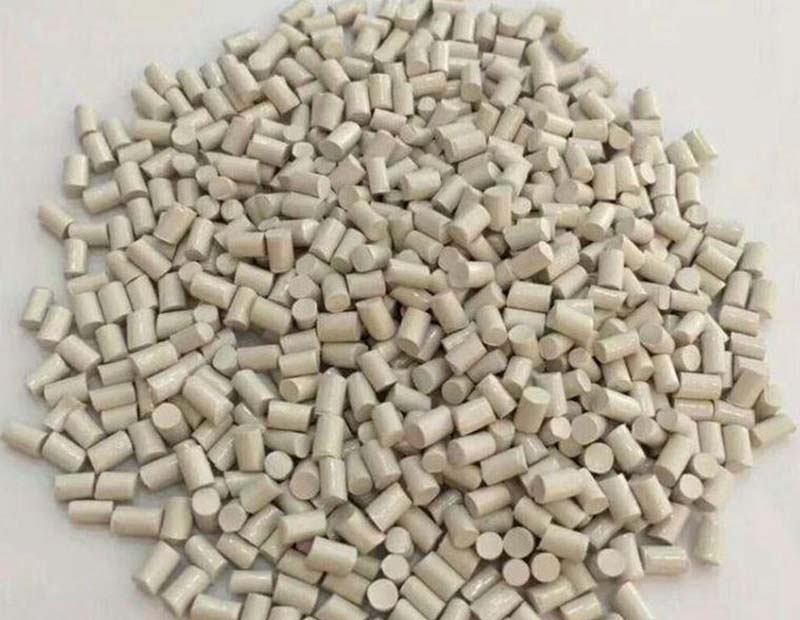
1. Very high cost of PEEK Raw Materials
One of the biggest disadvantages of PEEK Raw Materials is the extremely high price.
PEEK is a high-performance engineering polymer with complex synthesis and processing requirements, which makes it significantly more expensive than most engineering plastics such as:
Nylon (PA)
Polycarbonate (PC)
POM (Delrin)
ABS plastics
Because of this, Polymer PEEK is usually only used in high-end applications where performance justifies the cost.
2. Difficult processing and high machining requirements
Although peek material offers excellent strength and stability, it is not easy to process.
Processing challenges include:
High melting temperature (~343°C)
Requires specialized injection molding equipment
Strict temperature control needed
Higher tool wear during CNC machining
This increases production complexity and overall manufacturing cost, especially for precision components made from High-Performance PEEK Plastic.
3. Limited flexibility compared to other plastics
PEEK is a semi-crystalline polymer with high rigidity.
Disadvantages in flexibility:
Not suitable for highly flexible parts
Can be brittle under certain impact conditions
Less elastic compared to TPU or rubber materials
In applications requiring bending or soft deformation, PEEK Plastic may not be the best choice.
4. High processing energy consumption
Producing and processing PEEK Material requires high energy input due to:
High melting point
Long processing cycle time
Controlled cooling requirements
This leads to higher manufacturing energy costs compared to standard engineering plastics.
5. Poor UV resistance in long-term outdoor exposure
Although PEEK performs well in many environments, long-term exposure to strong UV radiation can affect its surface properties.
Potential issues:
Surface discoloration
Slight degradation over time
Reduced mechanical performance in extreme outdoor conditions
For long-term outdoor use, additional stabilization or coatings may be required.
6. Limited availability and supply chain constraints
Compared to common plastics, PEEK Raw Materials have:
Fewer global suppliers
Longer lead times
Limited stock availability in some regions
This can affect production planning for industries relying on stable material supply.
7. Over-engineering risk for simple applications
Because of its high performance, Polymer PEEK is sometimes used in applications where it is not necessary.
This leads to:
Unnecessary cost increase
Over-specification of materials
Inefficient product design
For many standard industrial parts, cheaper engineering plastics may be more cost-effective.
Summary of disadvantages of PEEK material
Although High-Performance PEEK Plastic offers excellent properties, its main disadvantages include:
High cost of raw materials
Difficult processing requirements
Limited flexibility
High energy consumption during manufacturing
UV sensitivity in long-term exposure
Limited supply availability
Risk of overuse in low-demand applications
Conclusion
PEEK Material remains one of the most advanced engineering plastics in the world. However, its disadvantages—especially cost and processing difficulty—mean it is best suited for high-value applications where performance is critical.
When selecting materials, engineers must balance performance, cost, and manufacturability. In many cases, High-Performance PEEK Plastic is ideal, but not always necessary.
