




PEEK plastic, short for Polyether Ether Ketone, is a high-performance engineering thermoplastic widely recognized for its exceptional mechanical strength, heat resistance, chemical resistance, and dimensional stability. As one of the most advanced materials in the engineering plastics family, PEEK Plastic is commonly used in aerospace, medical, automotive, electronics, oil and gas, and industrial manufacturing applications where standard plastics cannot meet performance requirements.
Due to its ability to maintain structural integrity under extreme conditions, polymer PEEK has become a preferred alternative to metal in many high-performance applications.
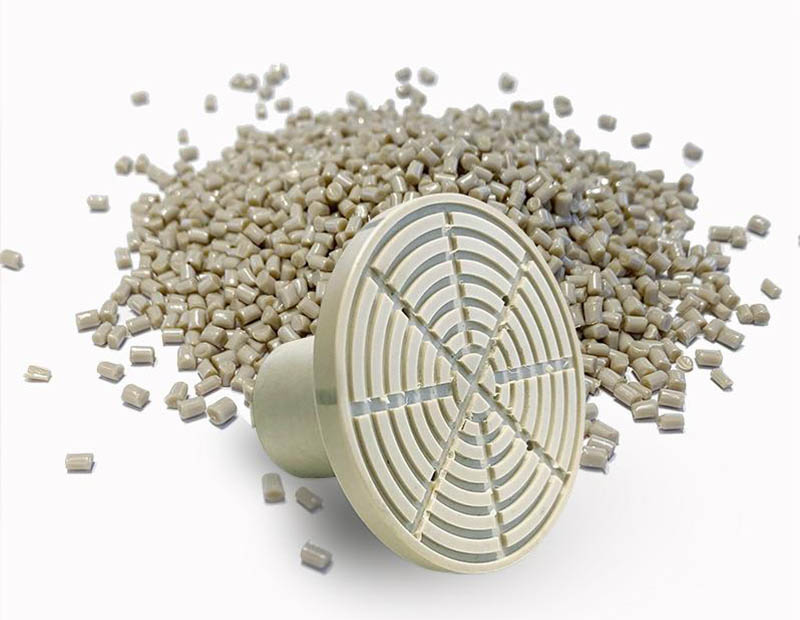
Understanding PEEK Material
PEEK material belongs to the Polyaryletherketone (PAEK) family of semi-crystalline thermoplastics. It combines excellent thermal stability with outstanding mechanical properties, allowing components to operate reliably in environments involving high temperatures, heavy loads, and aggressive chemicals.
Unlike conventional engineering plastics, PEEK maintains its strength and stiffness even after prolonged exposure to elevated temperatures. This unique combination of properties makes it one of the most versatile materials available for demanding industrial applications.
Key Properties of PEEK Plastic
Excellent Heat Resistance
One of the most important advantages of high temperature PEEK is its ability to perform in extreme thermal environments.
Typical thermal properties include:
Continuous service temperature up to 250°C
Short-term temperature resistance above 300°C
Melting point around 343°C
Excellent thermal aging resistance
These characteristics allow PEEK components to function in applications where many other plastics would soften or fail.
High Mechanical Strength
PEEK material offers exceptional mechanical performance, including:
High tensile strength
Excellent fatigue resistance
Superior wear resistance
Outstanding impact strength
Long-term dimensional stability
These properties make PEEK suitable for structural and load-bearing applications.
Chemical Resistance
Polymer PEEK exhibits resistance to a wide range of chemicals, including:
Acids
Alkalis
Hydrocarbons
Fuels
Oils
Solvents
This excellent chemical resistance makes PEEK ideal for harsh industrial environments.
Low Moisture Absorption
PEEK absorbs very little moisture compared to many engineering plastics. This helps maintain dimensional accuracy and mechanical performance even in humid conditions.
Electrical Insulation Properties
PEEK provides excellent dielectric performance and electrical insulation characteristics, making it suitable for electrical and electronic components.
Forms of PEEK Material
PEEK is available in various forms to meet different manufacturing requirements.
PEEK Plastic Sheet
A PEEK plastic sheet is commonly used for machining precision components. Manufacturers often select PEEK sheet material when producing low-volume parts, prototyPES, or highly customized products.
PEEK sheets offer:
Excellent machinability
High dimensional stability
Consistent material properties
Tight manufacturing tolerances
Injection Molded PEEK
For large production volumes, injection molded PEEK provides an efficient manufacturing solution.
Benefits include:
High production efficiency
Excellent repeatability
Complex part geometries
Reduced material waste
Injection molding is widely used for medical devices, electrical connectors, automotive components, and aerospace parts.
Carbon Fiber Reinforced PEEK
For applications requiring additional strength and stiffness, manufacturers often use carbon fiber reinforced PEEK.
By incorporating carbon fibers into the PEEK matrix, the material gains:
Higher rigidity
Improved mechanical strength
Better wear resistance
Reduced thermal expansion
Increased dimensional stability
These properties make carbon fiber reinforced grades ideal for aerospace and high-performance industrial applications.
Carbon Fiber Filled PEEK
Carbon fiber filled PEEK is specifically engineered to improve performance in demanding mechanical environments.
Compared with unfilled PEEK, carbon fiber filled grades offer:
Enhanced load-bearing capability
Improved fatigue resistance
Lower coefficient of friction
Better creep resistance
Superior thermal conductivity
Common applications include:
Bearings
Bushings
Gears
Compressor components
Structural supports
Applications of PEEK Plastic
Aerospace Industry
The aerospace industry uses PEEK plastic because of its lightweight properties and resistance to extreme temperatures.
Typical aerospace applications include:
Structural brackets
Cable insulation
Engine components
Aircraft interior parts
Fasteners and clips
Medical Industry
PEEK has become one of the most important materials in modern healthcare.
Medical applications include:
Spinal implants
Orthopedic devices
Surgical instruments
Dental components
Medical equipment housings
Its biocompatibility and sterilization resistance make it highly suitable for medical use.
Automotive Industry
Automotive manufacturers use high temperature PEEK in:
Transmission systems
Bearing cages
Sensor components
Electrical connectors
Under-hood assemblies
The material helps reduce vehicle weight while maintaining durability.
Oil and Gas Industry
PEEK performs exceptionally well in harsh oilfield environments.
Applications include:
Seals
Valve seats
Compressor rings
Pump components
Downhole tools
Electronics Industry
Electrical and electronic applications include:
Connectors
Semiconductor equipment components
Insulators
Circuit board supports
High-temperature electrical parts
Advantages of Using PEEK Material
Lightweight Alternative to Metal
PEEK can replace aluminum, stainless steel, and other metals while significantly reducing component weight.
Long Service Life
Its excellent wear resistance and fatigue strength contribute to longer product lifecycles.
Corrosion Resistance
Unlike metals, PEEK does not rust and performs well in corrosive environments.
Sterilization Resistance
PEEK can withstand repeated steam sterilization cycles, making it ideal for medical applications.
Design Flexibility
Whether using PEEK sheet material or injection molded PEEK, manufacturers can create highly complex and precise components.
PEEK vs Traditional Engineering Plastics
Compared with materials such as nylon, polycarbonate, and acetal, PEEK offers:
Higher operating temperatures
Better chemical resistance
Superior mechanical strength
Improved wear resistance
Longer service life
These advantages make PEEK the preferred choice for demanding engineering applications.
How to Select the Right PEEK Grade
When choosing a PEEK material, engineers should evaluate:
Temperature Requirements
Determine the maximum operating temperature of the application.
Mechanical Performance
Consider load-bearing requirements and structural demands.
Chemical Exposure
Verify compatibility with operating fluids and chemicals.
Manufacturing Process
Choose between machining from PEEK plastic sheet or producing parts through injection molded PEEK technology.
Reinforcement Options
Applications requiring greater stiffness may benefit from carbon fiber reinforced PEEK or carbon fiber filled PEEK grades.
Future of PEEK Plastic
As industries continue to demand lightweight, durable, and high-performance materials, the use of polymer PEEK is expected to expand significantly.
Emerging applications include:
Electric vehicle components
Aerospace structures
Medical implants
Semiconductor manufacturing equipment
Renewable energy systems
Continuous material innovations are helping PEEK become an increasingly important solution for advanced engineering challenges.
PEEK plastic is one of the highest-performing engineering thermoplastics available today. Combining exceptional heat resistance, chemical resistance, mechanical strength, and dimensional stability, PEEK material serves critical roles in aerospace, medical, automotive, industrial, and electronic applications.
Whether supplied as PEEK plastic sheet, processed as injection molded PEEK, or enhanced through carbon fiber reinforced PEEK and carbon fiber filled PEEK technologies, this advanced material continues to set the standard for high-performance engineering plastics.
