




PES plastic material, also known as Polyethersulfone (PES), is a high-performance engineering thermoplastic known for its exceptional heat resistance, dimensional stability, mechanical strength, and chemical resistance. As industries increasingly demand materials that can withstand extreme temperatures and harsh environments, PES polymer has become a popular choice in medical, automotive, electronics, aerospace, and industrial applications.
Thanks to its excellent balance of thermal, mechanical, and electrical properties, polyethersulfone is widely used in components that require long-term durability and reliability.
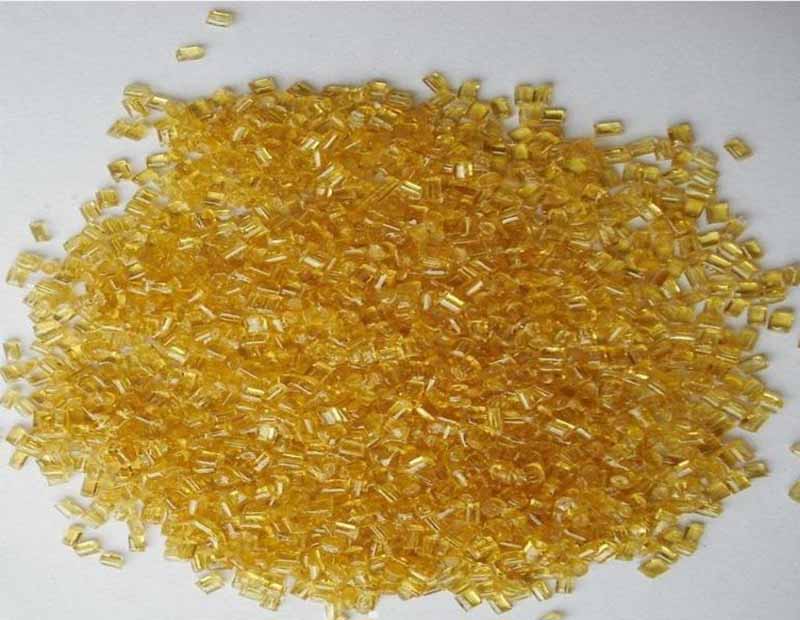
Understanding PES Plastic Material
PES plastic material is an amorphous high-performance thermoplastic belonging to the sulfone polymer family. The material contains aromatic rings linked by ether and sulfone groups, giving it outstanding thermal stability and strength.
The terms PES Polyethersulfone, PES poly ether sulfone, and polyether sulfon are commonly used to describe this advanced engineering plastic.
Compared with many conventional plastics, PES plastics maintain their mechanical properties even at elevated temperatures, making them suitable for demanding engineering applications.
Chemical Structure of PES Polymer
The molecular structure of polymer PES consists of repeating units containing:
Aromatic benzene rings
Ether linkages
Sulfone groups
This unique structure provides:
High thermal resistance
Excellent rigidity
Good hydrolysis resistance
Superior creep resistance
Long-term dimensional stability
The presence of sulfone groups is largely responsible for the material's ability to withstand continuous exposure to high temperatures.
Key Properties of Polyethersulfone
Exceptional Heat Resistance
One of the most important characteristics of polyethersulfone is its ability to operate at elevated temperatures.
Typical thermal properties include:
Glass transition temperature: approximately 220°C (428°F)
Continuous service temperature: up to 180°C
Excellent thermal aging resistance
These properties make PES thermoplastic suitable for applications where conventional plastics would soften or fail.
High Mechanical Strength
PES material offers excellent mechanical performance, including:
High tensile strength
Good impact resistance
Excellent stiffness
Superior creep resistance
These characteristics allow components to maintain structural integrity under long-term mechanical loads.
Chemical Resistance
PES resin demonstrates resistance to:
Acids
Alkalis
Alcohols
Oils
Cleaning agents
This makes the material ideal for medical equipment, laboratory devices, and industrial processing systems.
Excellent Hydrolysis Resistance
Unlike many engineering plastics, PES polymer can withstand repeated exposure to hot water and steam without significant degradation.
This property is especially valuable in:
Medical sterilization equipment
Water filtration systems
Food processing equipment
Electrical Insulation Properties
Polyethersulfone maintains stable electrical properties over a wide temperature range, making it suitable for electronic and electrical applications.
Advantages of PES Plastic Material
Long-Term Thermal Stability
Components made from PES plastics retain their mechanical and dimensional properties even after prolonged exposure to heat.
Dimensional Accuracy
Low thermal expansion helps ensure precise tolerances in critical applications.
Sterilization Resistance
Many medical devices manufactured from PES plastic resin can withstand repeated sterilization cycles.
Transparency
Natural polyethersulfone is transparent with an amber tint, making it useful for applications requiring visual inspection.
Flame Resistance
PES thermoplastic exhibits inherent flame-retardant characteristics and generates relatively low smoke levels.
Common Applications of PES Material
Medical Industry
Due to its sterilization resistance and biocompatibility, PES material is widely used in:
Surgical instrument handles
Medical device housings
Dialysis equipment
Sterilization trays
Fluid management systems
Water Filtration Systems
One of the largest applications for polyethersulfone is membrane filtration.
PES membranes are commonly found in:
Water purification systems
Ultrafiltration equipment
Medical filtration devices
Pharmaceutical filtration systems
Electrical and Electronics Industry
Manufacturers use PES polymer for:
Connectors
Circuit board components
Electrical insulators
Switch housings
Sensor components
Automotive Industry
Automotive applications include:
Under-hood components
Electrical connectors
Lighting systems
Fluid handling parts
The material's heat resistance makes it suitable for challenging automotive environments.
Aerospace Applications
The aerospace sector values polymer PES for:
Lightweight structural components
Electrical insulation parts
Interior aircraft components
PES Resin Processing Methods
Injection Molding
Injection molding is the most common method for processing PES plastic material.
Benefits include:
High production efficiency
Complex part geometries
Consistent quality
Extrusion
Extrusion is used to produce:
Sheets
Films
Tubes
Profiles
Thermoforming
Certain PES plastics can be thermoformed into customized shapes for specialized applications.
PES vs Other Engineering Plastics
PES vs Polycarbonate (PC)
| Property | PES | Polycarbonate |
|---|---|---|
| Heat Resistance | Higher | Moderate |
| Sterilization Resistance | Excellent | Limited |
| Chemical Resistance | Better | Moderate |
| Transparency | Good | Excellent |
PES vs PPSU
PPSU generally offers higher impact strength, while polyethersulfone often provides excellent dimensional stability and cost efficiency.
PES vs PEI
Both are high-performance materials, but PES resin is often preferred for filtration and medical applications due to its hydrolysis resistance.
Benefits of Using PES Raw Materials
Manufacturers choose PES raw materials because they provide:
High temperature performance
Excellent mechanical strength
Long service life
Superior chemical resistance
Reliable dimensional stability
Sterilization compatibility
These advantages help reduce maintenance costs and improve product reliability.
Selecting the Right PES Plastic Resin
When choosing a grade of PES plastic resin, engineers should consider:
Temperature Requirements
Evaluate the expected operating temperature and exposure duration.
Mechanical Loads
Determine the strength and stiffness required for the application.
Regulatory Compliance
For medical or food-contact applications, ensure the material meets relevant regulations.
Processing Method
Different grades of PES resin are optimized for injection molding, extrusion, or membrane production.
Future Trends in Polyethersulfone Applications
As industries seek lightweight and durable alternatives to metals, demand for PES polyethersulfone continues to increase.
Emerging applications include:
Advanced medical devices
Electric vehicle components
High-efficiency filtration systems
Aerospace composites
Renewable energy equipment
With its outstanding thermal and chemical performance, polyethersulfone is expected to remain one of the most important high-performance engineering plastics.
PES plastic material, or polyethersulfone, is a high-performance engineering thermoplastic valued for its exceptional heat resistance, mechanical strength, dimensional stability, and chemical resistance. Whether used in medical devices, water filtration systems, electrical components, automotive parts, or aerospace applications, PES polymer offers reliable performance in demanding environments.
As manufacturers continue to require advanced materials capable of handling extreme conditions, PES plastics, PES resin, and PES plastic resin remain excellent solutions for high-performance engineering applications.
