




PSU material, also known as Polysulfone (PSU), is a high-performance engineering thermoplastic widely recognized for its excellent heat resistance, mechanical strength, and long-term dimensional stability. As a versatile PSU polymer, it is commonly used in medical devices, water treatment systems, food processing equipment, and industrial applications that require reliable performance under demanding conditions.
Due to its unique combination of durability, transparency, and resistance to high temperatures, Polysulfone plastic has become one of the most trusted materials in various engineering and manufacturing industries.
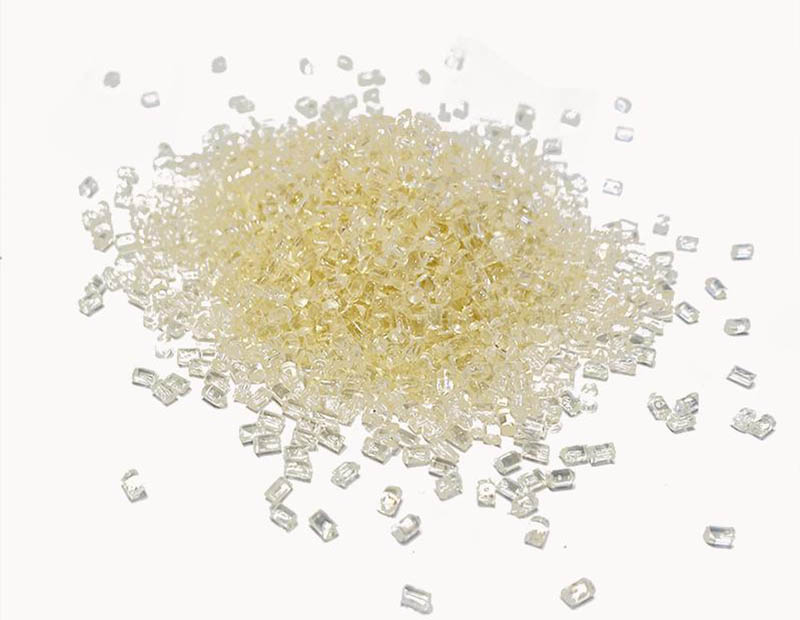
What Is PSU Material?
Polysulfone PSU belongs to the family of amorphous thermoplastics and is characterized by a molecular structure containing sulfur and aromatic rings. This structure gives the material exceptional thermal stability and toughness while maintaining transparency.
Compared with conventional plastics, Polysulfone resin material offers superior performance in environments involving hot water, steam, and repeated sterilization cycles.
Basic Characteristics of PSU Material
High heat resistance with continuous service temperatures up to approximately 150°C (302°F)
Excellent mechanical strength and rigidity
Good dimensional stability under load
Strong resistance to hydrolysis and steam
Naturally transparent amber appearance
Excellent electrical insulation properties
Good chemical resistance to acids, alkalis, and cleaning agents
Key Properties of PSU Polymer
High Temperature Resistance
One of the most important advantages of PSU material is its ability to maintain mechanical properties at elevated temperatures. Unlike many standard plastics that soften or deform, Polysulfone PSU remains stable in continuous high-temperature applications.
Mechanical Strength and Durability
Polysulfone plastic offers high tensile strength, impact resistance, and creep resistance, making it suitable for structural components and industrial equipment.
Hydrolysis Resistance
The excellent resistance of PSU polymer to hot water and steam makes it ideal for medical, laboratory, and water filtration applications where frequent sterilization is required.
Transparency
Unlike many engineering plastics, Polysulfone resin material is naturally transparent, allowing visual monitoring of fluid flow and internal processes.
PSU Raw Materials and Manufacturing
PSU raw materials are typically supplied in pellet or granule form and processed through injection molding, extrusion, machining, or thermoforming.
Manufacturers use high-quality Polysulfone resin material to produce precision components that require durability, thermal stability, and long service life. The material can be molded into complex shaPES while maintaining excellent dimensional accuracy.
Common Applications of Polysulfone Plastic
Medical Equipment
Because of its sterilization resistance and biocompatibility, Polysulfone PSU is widely used in:
Surgical instrument handles
Sterilization trays
Dialysis machine components
Medical device housings
Laboratory equipment
Water Treatment Systems
The durability of PSU material makes it ideal for:
Filter housings
Membrane support structures
Water purification systems
Reverse osmosis components
Food and Beverage Equipment
Food-grade Polysulfone plastic is commonly used in:
Coffee machine components
Hot water dispensing systems
Beverage processing equipment
Food-contact fittings
Electrical and Industrial Applications
The excellent insulating properties of PSU polymer support its use in:
Electrical connectors
Insulators
Pump components
Valve bodies
Industrial fluid handling systems
Advantages of PSU Material
Excellent Thermal Performance
Polysulfone PSU maintains its mechanical strength even at elevated temperatures.
Long-Term Dimensional Stability
The material experiences minimal deformation under mechanical stress and thermal cycling.
Sterilization Capability
Repeated steam sterilization and autoclave processing have little effect on the performance of Polysulfone resin material.
Good Chemical Resistance
PSU material resists many cleaning chemicals, acids, and alkaline solutions commonly encountered in industrial environments.
High Transparency
The transparent nature of Polysulfone plastic makes it suitable for applications requiring visual inspection.
Limitations of PSU Material
While PSU polymer offers many advantages, there are some considerations:
Higher cost than standard engineering plastics
Limited resistance to certain organic solvents
Lower impact resistance compared with advanced materials such as PPSU
Amber coloration may not suit all aesthetic requirements
PSU vs Other Engineering Plastics
| Material | Continuous Use Temperature | Transparency | Chemical Resistance |
|---|---|---|---|
| PSU | ~150°C | Transparent | Good |
| PPSU | ~180°C | Transparent | Excellent |
| PEI | ~170°C | Transparent | Good |
| PEEK | ~250°C | Opaque | Excellent |
For applications requiring a balance between cost, transparency, and thermal performance, PSU material is often an excellent choice.
How to Choose the Right PSU Material
When selecting PSU raw materials, consider the following factors:
Operating temperature requirements
Exposure to chemicals and cleaning agents
Sterilization frequency
Mechanical load conditions
Regulatory compliance requirements
Transparency needs
Working with an experienced supplier can help ensure the selected Polysulfone resin material meets the performance demands of your application.
So, what is PSU material? It is a high-performance Polysulfone plastic that combines excellent heat resistance, strength, transparency, and hydrolysis resistance. As a versatile PSU polymer, it is widely used in medical devices, water treatment systems, food processing equipment, and industrial components where reliability and long-term performance are essential.
Whether you are sourcing PSU raw materials for manufacturing or evaluating engineering plastics for a new project, Polysulfone PSU offers an outstanding balance of durability, thermal stability, and processing versatility.
