




When comparing high-performance engineering plastics, one of the most common questions is: What is the difference between PPS and PEEK plastic? Both materials are widely used in demanding industrial environments, but they differ significantly in performance, temperature resistance, mechanical strength, and application range.
Understanding the difference between PPS plastic (Polyphenylene Sulfide) and PEEK plastic (Polyetheretherketone) helps engineers and buyers choose the right engineering plastic material for their specific needs.
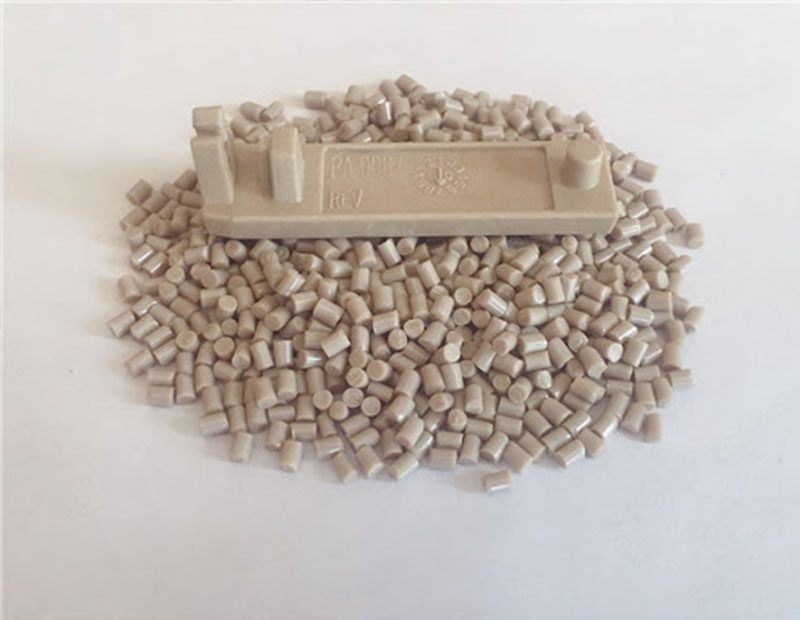
1. What are PPS and PEEK plastics?
PPS Plastic
PPS (Polyphenylene Sulfide) is a semi-crystalline engineering plastic known for good heat resistance, chemical resistance, and dimensional stability. It is widely used as a cost-effective high-temperature material in automotive and electronic applications.
PEEK Plastic
PEEK (Polyetheretherketone) is a premium High-performance thermoplastic and advanced PEEK engineering plastic. It offers superior mechanical strength, extreme heat resistance, and excellent wear and chemical resistance.
2. Temperature resistance: PPS vs PEEK
One of the biggest differences is heat performance:
PPS plastic properties:
Continuous use temperature around 200–220°CPEEK plastic properties:
Continuous use temperature up to 260°C, short-term up to 300°C
This makes high temperature PEEK suitable for more extreme environments than PPS.
3. Mechanical strength and durability
PPS plastic material provides moderate strength and rigidity, suitable for general industrial applications.
PEEK polymer offers significantly higher tensile strength, impact resistance, and fatigue resistance.
In high-load or long-life applications, PEEK plastic material properties clearly outperform PPS.
4. Wear and friction performance
PPS has acceptable wear resistance for basic moving parts.
PEEK has excellent self-lubricating properties and very low friction.
This is why PEEK Material machining is commonly used for bearings, bushings, gears, and sliding components.
5. Chemical resistance
Both materials offer good chemical resistance, but:
PPS performs well in mild chemical environments.
PEEK (especially PEEK resin and PEEK composite material) performs in much more aggressive conditions, including acids, solvents, and high-pressure steam.
6. Electrical and insulation properties
PPS is used in many electronic housings.
PEEK insulation material provides superior dielectric strength and stability in high-voltage or high-frequency environments.
7. Cost difference
PPS plastic: more economical and widely used in mass production
PEEK plastic: significantly higher cost due to advanced performance
This is why PPS is used for cost-sensitive applications, while PEEK is selected for critical high-performance systems.
8. Applications comparison
PPS applications:
Automotive components
Electrical connectors
Pump housings
Industrial parts
PEEK applications:
Aerospace structural parts
Medical implants and devices
Semiconductor equipment
High-performance mechanical systems
As a result, PEEK engineering plastic is used in more extreme and high-value industries.
9. Material forms and processing
Both materials are available in different forms, but PEEK plastic material offers a wider range:
PEEK plastic sheet / PEEK sheet material
PEEK rod material
PEEK resin
PEEK natural material
ESD PEEK material
PEEK composite material
PEEK also supports advanced PEEK material machining, including CNC machining for precision parts.
10. Summary: PPS vs PEEK plastic
In short:
PPS plastic = cost-effective, good heat resistance, suitable for general engineering use
PEEK plastic = ultra-high performance, high temperature resistance, superior mechanical strength
If PPS is considered a strong industrial plastic, then PEEK thermoplastic is a high-end material designed for extreme performance environments.
The difference between PPS and PEEK plastic mainly lies in performance level and application requirements. PPS is widely used where cost efficiency is important, while PEEK plastic material is chosen when reliability, durability, and extreme operating conditions are critical.
As a professional PEEK manufacturer, we provide a full range of PEEK Plastic for Sale, including sheets, rods, resin, and custom-machined parts to meet different industrial needs.
