




Polysulfone (PSU) is a High-performance thermoplastic widely used in industries that demand strength, heat resistance, and long-term reliability. Known for its excellent mechanical properties and stability, PSU material has become a popular choice in medical, automotive, and industrial applications.
In this guide, we will explore what polysulfone resin material is, its key properties, applications, and why polysulfone plastic remains a trusted engineering solution.
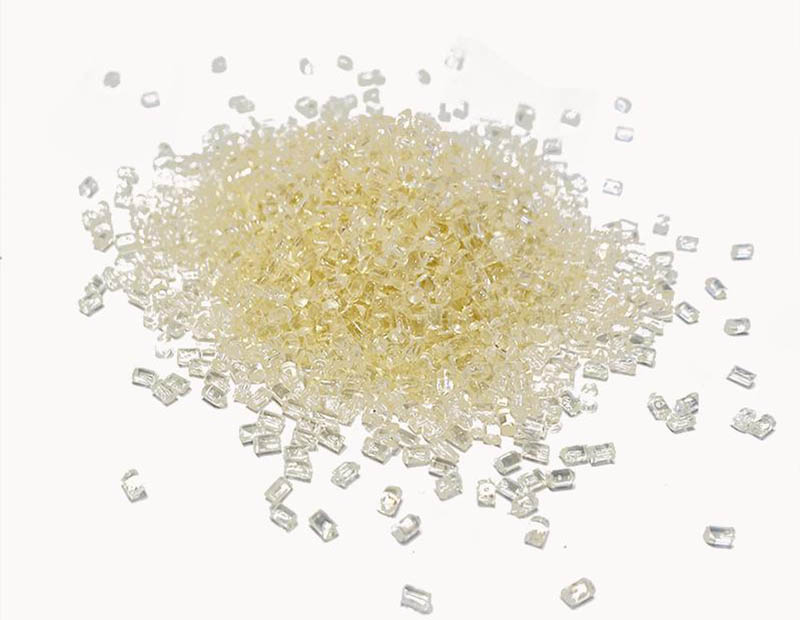
What Is Polysulfone (PSU)?
Polysulfone PSU is an amorphous thermoplastic belonging to the polysulfone family of engineering plastics. It is characterized by high temperature resistance, toughness, and transparency.
PSU polymer is produced through polymerization processes that create strong molecular chains, giving the material its durability and chemical stability.
As a versatile polysulfone plastic, PSU is often used in applications where standard plastics cannot meet performance requirements.
Key Properties of PSU Material
1. High Heat Resistance
PSU material can withstand continuous operating temperatures up to 150–170°C, making it suitable for high-temperature environments.
2. Good Mechanical Strength
Polysulfone plastic offers excellent rigidity and strength, even under long-term stress.
3. Transparency
Unlike many engineering plastics, polysulfone PSU is naturally transparent, making it ideal for visual components.
4. Chemical Resistance
Polysulfone resin material resists many acids, alkalis, and cleaning agents, ensuring long service life.
5. Hydrolysis Resistance
PSU polymer performs well in hot water and steam environments, although slightly less resistant than PPSU.
Applications of Polysulfone Plastic
Thanks to its balanced performance, PSU material is widely used across various industries:
Medical & Healthcare
Sterilization trays
Dialysis equipment components
Medical device housings
Automotive Industry
Fluid handling systems
Electrical connectors
Interior high-temperature components
Plumbing & Water Systems
Pipe fittings
Valves and manifolds
Hot water system components
Electrical & Electronics
Insulation components
Switchgear parts
Connector housings
Food & Beverage Equipment
Transparent containers
Food processing components
PSU Polymer vs Other Engineering Plastics
| Property | PSU Material | PPSU | PEI |
|---|---|---|---|
| Heat Resistance | High | Very High | Very High |
| Impact Strength | Good | Excellent | Good |
| Transparency | Excellent | Moderate | Transparent |
| Cost | Moderate | Higher | Higher |
| Hydrolysis Resistance | Good | Excellent | Good |
Compared with other materials, polysulfone PSU offers a good balance between performance and cost, making it a practical choice for many applications.
Processing of Polysulfone Resin Material
Polysulfone resin material is typically supplied in pellet form and can be processed using:
Injection molding
Extrusion
Thermoforming
CNC machining (for precision parts)
Proper temperature control is essential when processing PSU polymer to maintain its mechanical properties and dimensional stability.
How to Choose the Right PSU Material
When selecting polysulfone plastic, consider the following factors:
1. Application Environment
Temperature requirements
Exposure to chemicals or moisture
2. Mechanical Requirements
Load-bearing capacity
Impact resistance
3. Transparency Needs
Suitable for visual or inspection components
4. Supplier Capability
Stable supply of polysulfone resin material
Experience in processing PSU material
Advantages of Polysulfone PSU
High thermal stability
Strong mechanical performance
Excellent dimensional stability
Good chemical resistance
Cost-effective compared to higher-end materials
These advantages make polysulfone plastic a reliable choice for demanding applications.
Polysulfone (PSU) is a versatile and high-performance thermoplastic that combines strength, heat resistance, and transparency. Whether referred to as PSU material, PSU polymer, or polysulfone resin material, it plays a vital role in modern industrial and medical applications.
Choosing the right polysulfone plastic and working with a reliable supplier can help ensure optimal performance and long-term reliability.
