




In high-performance engineering plastics, PPSU material (Polyphenylsulfone PPSU) stands out for its exceptional durability, heat resistance, and chemical stability. Widely used in medical, automotive, and industrial applications, PPSU plastic material is considered one of the most reliable thermoplastics available today.
This article will help you understand what PPSU material is, its properties, applications, and why it is increasingly popular in demanding industries.
What Is PPSU Material?
PPSU material, also known as Polyphenylsulfone material, is an amorphous high-performance thermoplastic belonging to the Polysulfone family.
Compared with standard engineering plastics, PPSU plastic materials offer:
Higher impact resistance
Superior hydrolysis resistance
Excellent long-term thermal stability
Outstanding chemical resistance
Due to these advantages, material PPSU is widely used in environments that require repeated sterilization and high mechanical strength.
Key Properties of PPSU Plastic Material
1. High Temperature Resistance
Polyphenylsulfone PPSU can withstand continuous use temperatures up to 180–200°C, making it suitable for high-heat applications.
2. Exceptional Impact Strength
Unlike many rigid plastics, PPSU plastic material maintains toughness even under extreme conditions, reducing the risk of cracking.
3. Chemical Resistance
PPSU raw materials resist a wide range of chemicals, including acids, alkalis, and cleaning agents.
4. Hydrolysis Resistance
One of the key advantages of polyphenylsulfone material is its ability to endure repeated steam sterilization without degradation.
5. Dimensional Stability
Material PPSU maintains its shape and performance even under mechanical stress and temperature fluctuations.
Applications of PPSU Material
Thanks to its high performance, PPSU plastic materials are widely used in various industries:
Medical Industry
Surgical instrument handles
Sterilization trays
Dental and orthopedic tools
Automotive Industry
Cooling system components
Fluid handling systems
Electrical housings
Plumbing & Water Systems
Hot water fittings
Valve components
Manifolds
Food & Consumer Products
Baby bottles (BPA-free PPSU)
Food processing equipment
Industrial Applications
Pump components
Electrical insulation parts
High-performance connectors
PPSU Raw Materials and Processing
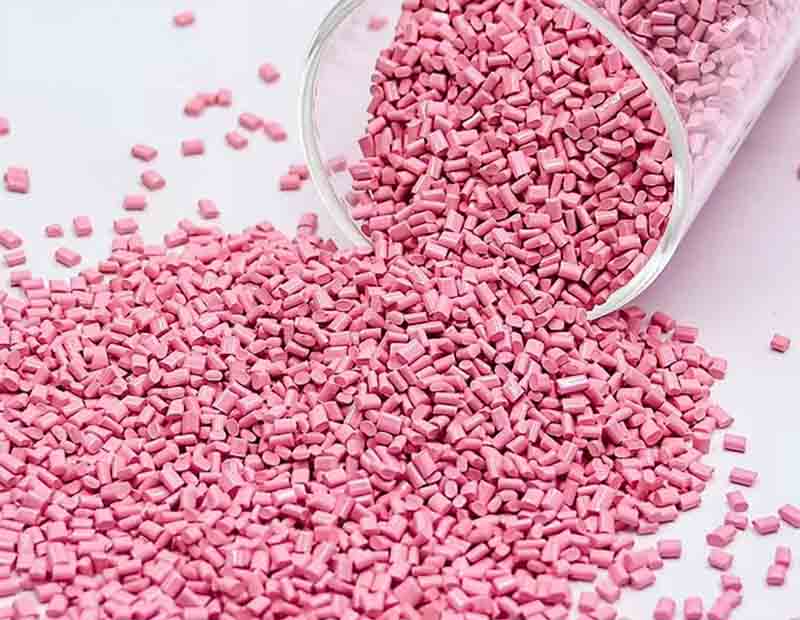
PPSU raw materials are typically supplied in pellet or granule form and processed using:
Injection molding
Extrusion
CNC machining (for precision parts)
Due to its high melting temperature, processing PPSU plastic material requires controlled conditions and professional manufacturing expertise.
Advantages of Polyphenylsulfone PPSU Over Other Plastics
| Property | PPSU Plastic Material | Standard Engineering Plastics |
|---|---|---|
| Heat Resistance | Very High | Medium |
| Impact Strength | Excellent | Moderate |
| Sterilization Resistance | Outstanding | Limited |
| Chemical Resistance | Strong | Varies |
| Service Life | Long | Shorter |
Compared to materials like PSU or PEI, polyphenylsulfone PPSU offers better durability and reliability in harsh environments.
How to Choose the Right PPSU Plastic Material
When selecting PPSU plastic materials, consider the following:
1. Application Requirements
Temperature range
Mechanical load
Exposure to chemicals
2. Processing Method
Injection molding vs machining
Tolerance requirements
3. Certification Needs
Medical-grade PPSU (FDA, ISO)
Food contact compliance
4. Supplier Capability
Stable supply of PPSU raw materials
Experience in high-performance plastics
So, what is PPSU material?
It is a high-performance thermoplastic known for its strength, heat resistance, and chemical stability. Whether referred to as PPSU plastic material, polyphenylsulfone PPSU, or material PPSU, it is an ideal solution for demanding applications across multiple industries.
Choosing the right PPSU raw materials and working with an experienced supplier can significantly improve product performance and longevity.
