




PES Plastic Resin, also known as PES Polyethersulfone or simply Polyethersulfone, is a high-performance engineering thermoplastic widely recognized for its excellent thermal stability, mechanical strength, and chemical resistance. As an advanced polymer material, PES material is commonly used in demanding industrial environments where durability, dimensional stability, and high-temperature resistance are essential.
Compared with conventional plastics, polyethersulfone (PES) offers superior long-term performance under heat and mechanical stress. Due to these advantages, PES raw materials are widely used in the production of precision components, medical equipment, filtration systems, electrical components, and high-performance industrial parts.
With its combination of strength, transparency, and hydrolysis resistance, PES plastic resin has become an important material for modern engineering and manufacturing industries.
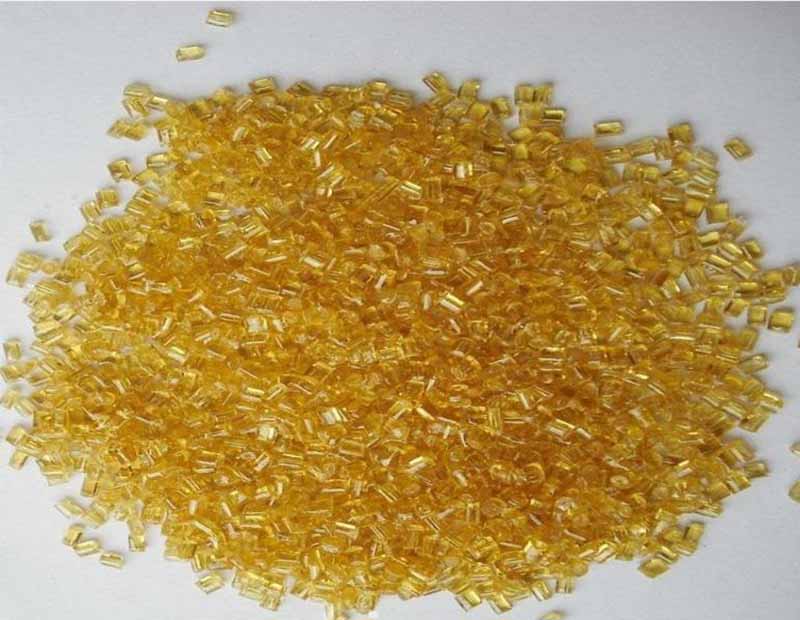
What is Polyethersulfone (PES)?
Polyethersulfone (PES) is an amorphous thermoplastic polymer belonging to the sulfone polymer family, which also includes materials such as polysulfone (PSU) and polyphenylsulfone (PPSU). The chemical structure of PES Polyethersulfone contains aromatic rings linked with sulfone groups, providing excellent thermal resistance and structural stability.
One of the key advantages of PES material is its ability to maintain mechanical strength and dimensional stability even at elevated temperatures. Additionally, PES plastic resin offers high resistance to hydrolysis, making it suitable for applications involving hot water or steam sterilization.
Because of its superior performance characteristics, polyethersulfone is frequently used in industries that demand high reliability and long service life.
Key Properties of PES Material
High Temperature Resistance
PES polyethersulfone has a high glass transition temperature (around 220°C), allowing components made from PES material to maintain structural stability under high-temperature conditions.
Excellent Mechanical Strength
PES plastic resin provides high tensile strength, stiffness, and impact resistance, making it suitable for structural applications and precision components.
Outstanding Hydrolysis Resistance
One of the most important advantages of polyethersulfone is its excellent resistance to hydrolysis. PES material can withstand repeated exposure to hot water and steam sterilization without significant degradation.
Good Chemical Resistance
PES polymer shows strong resistance to many acids, alkalis, and cleaning agents, making it suitable for chemical processing and laboratory equipment.
Dimensional Stability
Components made from PES raw materials maintain their shape and precision under temperature fluctuations and mechanical stress.
Natural Transparency
Polyethersulfone plastic has natural transparency with a light amber color, making it suitable for applications that require visual inspection or fluid monitoring.
Forms of PES Raw Materials
PES raw materials are available in several forms to support different manufacturing and processing methods.
PES Resin Pellets
PES pellets are commonly used for injection molding and extrusion processes, enabling large-scale manufacturing of industrial and consumer components.
PES Sheets and Rods
PES material is also available as sheets and rods, which are widely used for CNC machining and custom fabrication of precision parts.
PES Tubes and Profiles
Extruded polyethersulfone tubes and profiles are commonly used in filtration systems, fluid handling equipment, and industrial applications.
Processing Methods for PES Plastic
Manufacturers can process PES plastic resin using several advanced manufacturing techniques.
Injection Molding
Injection molding is the most common method for producing polyethersulfone components, allowing high-volume production with consistent quality.
CNC Machining
CNC machining is used to manufacture precision parts from PES sheets and rods, especially when complex geometries or tight tolerances are required.
Extrusion
Extrusion processes produce continuous products such as sheets, rods, tubes, and specialized profiles made from PES raw materials.
Thermoforming
PES sheets can be thermoformed into structural parts, protective covers, and specialized industrial components.
Applications of PES Polyethersulfone
Thanks to its excellent performance, PES plastic resin is widely used in various industries.
Medical and Healthcare
Because PES material can withstand repeated sterilization and high temperatures, it is widely used in:
Medical device housings
Sterilization trays
Surgical instrument components
Dialysis equipment
Filtration and Water Treatment
Polyethersulfone membranes are widely used in filtration systems, including:
Water purification systems
Ultrafiltration membranes
Medical filtration devices
Electronics and Electrical Equipment
The excellent insulation properties of PES polyethersulfone make it suitable for:
Electrical connectors
Circuit board components
Insulating parts
Automotive Industry
In automotive applications, PES plastic components are used in:
High-temperature connectors
Sensor housings
Fluid system components
Industrial Machinery
Precision parts made from PES raw materials are used in pumps, valves, compressors, and other mechanical equipment requiring durability and heat resistance.
Advantages of PES Plastic Resin
Compared with many conventional engineering plastics, PES polyethersulfone offers several advantages:
Excellent high-temperature resistance
Superior hydrolysis and steam resistance
High mechanical strength and rigidity
Good chemical resistance
Excellent dimensional stability
Natural transparency for visual monitoring
These properties make PES material a reliable choice for high-performance industrial applications.
PES Plastic Resin (Polyethersulfone) is a high-performance engineering thermoplastic widely used in industries requiring strength, heat resistance, and chemical stability. With its excellent mechanical properties, outstanding hydrolysis resistance, and high dimensional stability, PES polyethersulfone has become an important material for advanced manufacturing.
From medical equipment and filtration systems to electronics and industrial machinery, PES raw materials provide reliable performance and long-term durability. As technology continues to evolve, the demand for polyethersulfone materials and PES plastic components is expected to grow across many high-performance engineering sectors.
