




Polyetherimide (PEI) is a high-performance engineering thermoplastic known for its exceptional heat resistance, mechanical strength, and dimensional stability. Commonly referred to as PEI Plastic, this advanced polymer is widely used in aerospace, electronics, medical, and industrial applications where extreme conditions demand reliable material performance.
This article explains what PEI material is, its chemical structure, key PEI material properties, benefits, processing forms, and real-world applications across industries.
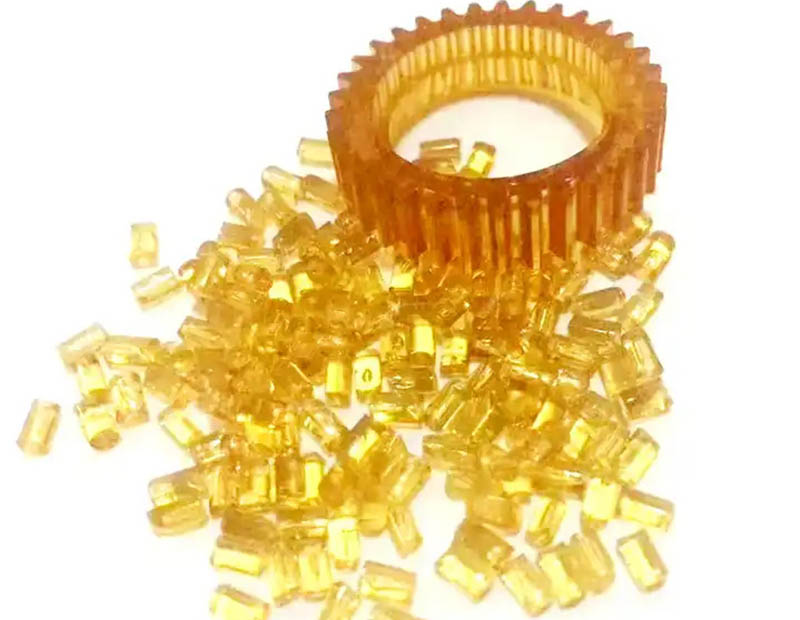
What Is PEI Plastic?
So, what is PEI plastic?
PEI is an amorphous, high-temperature thermoplastic polymer belonging to the imide family. It is often described as:
Polyetherimide
Polyetherimide (PEI)
PEI thermoplastic
PEI polymer
In European markets, PEI is also known as PEI Kunststoff, PEI plast, or PEI plastique.
Unlike traditional plastics, PEI plastic material maintains excellent mechanical and electrical performance under continuous exposure to high temperatures and harsh environments.
PEI Material Full Form and Chemical Structure
PEI material full form: Polyetherimide
The polyetherimide chemical structure consists of aromatic imide groups combined with ether linkages. This unique structure provides:
High thermal stability
Excellent flame resistance
Strong mechanical integrity
The heat polymer PEI formula is based on repeating imide units that contribute to its high glass transition temperature and rigidity.
Although sometimes confused with polyimide, PEI is melt-processable, which makes it easier to manufacture into complex shaPES.
PEI Material Properties
The popularity of Polyetherimide Plastic comes from its superior material characteristics.
Key PEI Plastic Properties
High Heat Resistance
Continuous use temperature up to 170–180°C, with short-term exposure above this range.Excellent Mechanical Strength
High tensile and flexural strength, suitable for load-bearing applications.Flame Retardancy
Naturally flame resistant with low smoke generation.Dimensional Stability
Maintains tight tolerances under thermal and mechanical stress.Electrical Insulation
Ideal for electronic and electrical components.Chemical Resistance
Good resistance to hydrocarbons, alcohols, and weak acids.
Polyetherimide Solubility
Polyetherimide solubility is limited. PEI is insoluble in water and most common solvents, but it can dissolve in certain strong polar solvents at elevated temperatures.
Forms and Processing of PEI Plastics
PEI is available in various forms for different manufacturing needs:
Polyetherimide sheet
PEI rods and plates (also known as polyetherimid platte)
Injection-molded PEI components
Machined PEI wear parts
PEI thermoplastic can be processed using:
Injection molding
Extrusion
CNC machining
Because of its high processing temperature, PEI requires specialized equipment and expertise.
Polyetherimide Uses and Industry Applications
Aerospace Industry
Airplane parts made of polyetherimide (PEI) material include:
Aircraft interior panels
Electrical connectors
Lightweight structural components
Electronics and Electrical
Insulators
Coil formers
High-temperature connectors
Medical and Healthcare
Surgical instrument handles
Diagnostic equipment components
Industrial Applications
Extreme temperature PEI products
High-performance PEI wear parts
Structural components exposed to heat and stress
The polyetherimide industry continues to expand as manufacturers seek materials that balance performance, safety, and weight reduction.
PEI Benefits: Why Choose Polyetherimide Plastics?
PEI Benefits Plastics and Polymers
High strength-to-weight ratio
Outstanding thermal resistance
Long service life
Flame resistance without additives
Excellent machinability compared to polyimide
These PEI benefits polymers offer a reliable alternative to metals and lower-grade plastics.
PEI vs Polyimide
Although PEI and polyimide share similar imide structures, PEI offers:
Easier melt processing
Lower manufacturing costs
Better scalability for mass production
This makes PEI plastics a preferred choice for industrial applications.
What Material Is PEI?
To summarize, what material is PEI?
PEI is a high-performance polyetherimide thermoplastic designed for demanding environments requiring heat resistance, strength, and dimensional stability. Whether referred to as polyetherimide PEI, PEI (polyetherimide), or polytherimide, this material is widely trusted across advanced manufacturing sectors.
What Is Polyetherimide?
What is polyetherimide?
It is a premium engineering plastic that bridges the gap between standard thermoplastics and ultra-high-performance polymers.
With outstanding polyetherimide properties, versatile processing forms such as polyetherimide sheet, and proven use in aerospace, electronics, and medical fields, PEI plastic material continues to be a cornerstone of modern high-temperature engineering.
